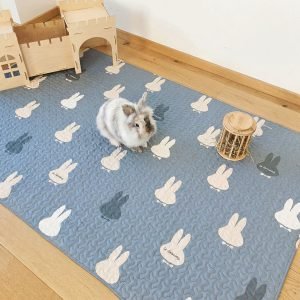
Preparing for a rabbit is not about filling a cart with cute accessories. It is about building a safe floor-level home around hay, water, space, traction, shelter, companionship and veterinary care.
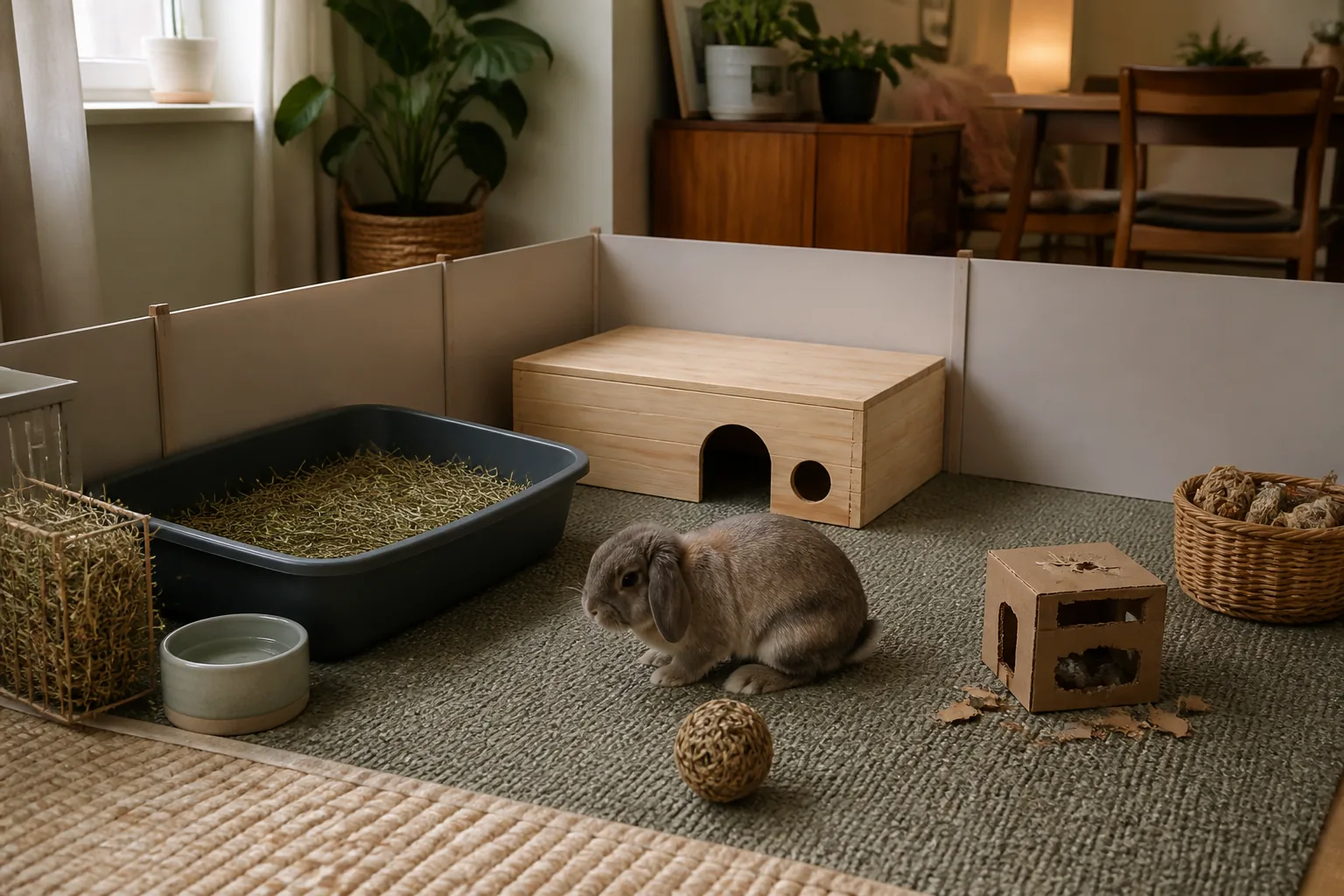
What supplies do you need for a new rabbit?
Before your rabbit arrives, prepare unlimited grass hay, a heavy water bowl, a large litter tray with rabbit-safe litter, a spacious pen or bunny-proofed room, non-slip flooring, at least one secure hide, safe chew and forage activities, and a sturdy carrier. Register with a rabbit-savvy veterinarian and plan for a compatible rabbit companion. Pellets, greens and grooming tools depend on age, health and coat. Tiny cages, wire floors, salt licks, muesli, exercise balls and piles of novelty accessories are not essentials.
The pet aisle can make a first-time rabbit guardian feel as though every object marked “bunny” belongs on the list. It does not. Rabbits need an environment that lets them eat, run, hide, forage, toilet, stretch and socialise; they do not need a miniature version of every dog or cat product.
This checklist separates the purchases that support daily welfare from the extras that can wait. Buy for your rabbit’s actual measurements, mobility, chewing habits and living arrangement, not only for a breed label or an attractive product photo. If you are adopting, ask the rescue what hay, pellets, litter and water setup the rabbit already knows. Familiar basics can make the first days less disruptive.
Your new rabbit checklist at a glance

Hay and suitable food
Dust-free grass hay must remain available all day. Match pellets and fresh foods to age and veterinary advice.

Fresh water
Use a stable bowl that is easy to reach and clean. Check and refresh it every day.

Space and grip
Prepare a large secure area with solid, non-slip flooring and enough room for normal movement.

Litter setup
Choose a roomy, low-entry tray and non-clumping, non-expanding rabbit-safe litter.

Hides and rest
Provide a quiet shelter. A bonded pair benefits from several choices and hides with two exits.

Enrichment
Offer safe ways to chew, dig, explore and forage using simple objects as well as suitable toys.

Carrier and vet
Keep a secure ventilated carrier ready and register with a rabbit-experienced clinic before an emergency.

Care supplies
A coat-appropriate brush, nail-care plan, cleaning supplies and an emergency budget complete the basics.
Food, water and litter form the everyday core
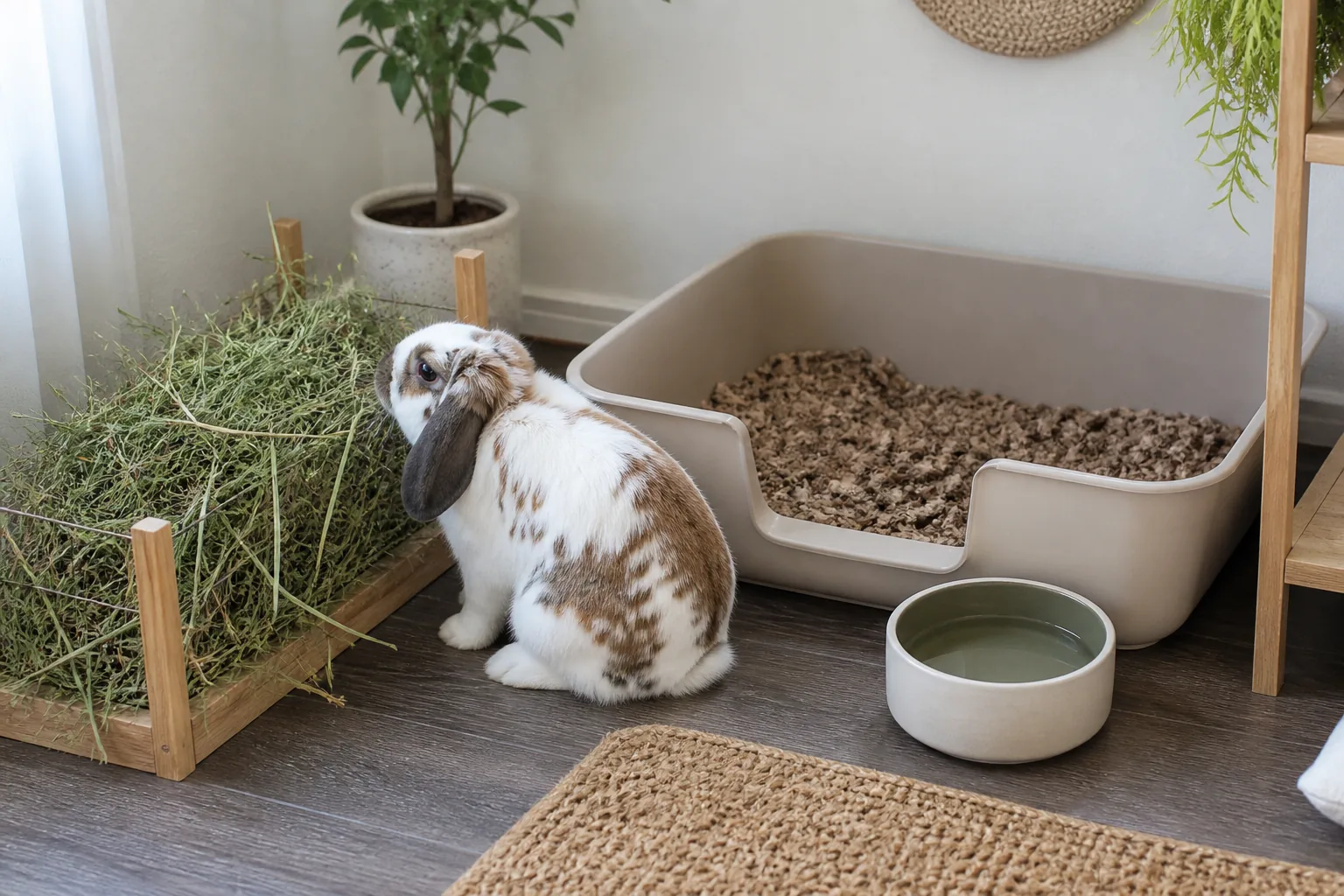
Good-quality grass hay should make up most of an adult rabbit’s diet and remain accessible at all times. Buy a small, fresh supply first rather than a giant bale your rabbit may refuse. Hay should smell sweet, feel dry and contain little dust or mould. Store it somewhere ventilated and dry, not sealed while damp. A rack can keep part of it tidy, but the rabbit still needs an easy, generous feeding position.
Ask the rescue or breeder exactly what the rabbit currently eats. A sudden change in pellets or greens can upset a sensitive digestive system, so bring home enough of the familiar food to make any transition gradual. Choose a plain, hay-based pellet rather than colourful muesli, and remember that pellets are measured food, not an all-day refill. Age, weight and health change the right portion; a rabbit-savvy vet can advise.
For water, a heavy ceramic bowl is simple to drink from and difficult to tip. Choose a wide bowl your rabbit can use without rubbing the whiskers against a narrow rim. If you also use a bottle, test its flow every day; it should never be the only unchecked water source. Wash bowls regularly and place them away from the dirtiest part of the litter area.
A rabbit litter tray should be large enough to enter, turn around and sit comfortably. Many cat-sized trays work better than tiny corner toilets. Use paper-based, non-clumping and non-expanding litter or another rabbit-safe option recommended by your rescue. Avoid clumping cat litter and heavily scented products. Because rabbits often eat while toileting, positioning fresh hay beside or above the tray can support both litter habits and hay intake.
First-day feeding rule
Keep the rabbit’s familiar diet stable while they settle. Introduce new pellets, greens or treats gradually rather than celebrating arrival with a mixed buffet. If a rabbit stops eating or produces fewer droppings, contact a rabbit-savvy veterinarian promptly.
Space is a supply too: build the home before buying decor
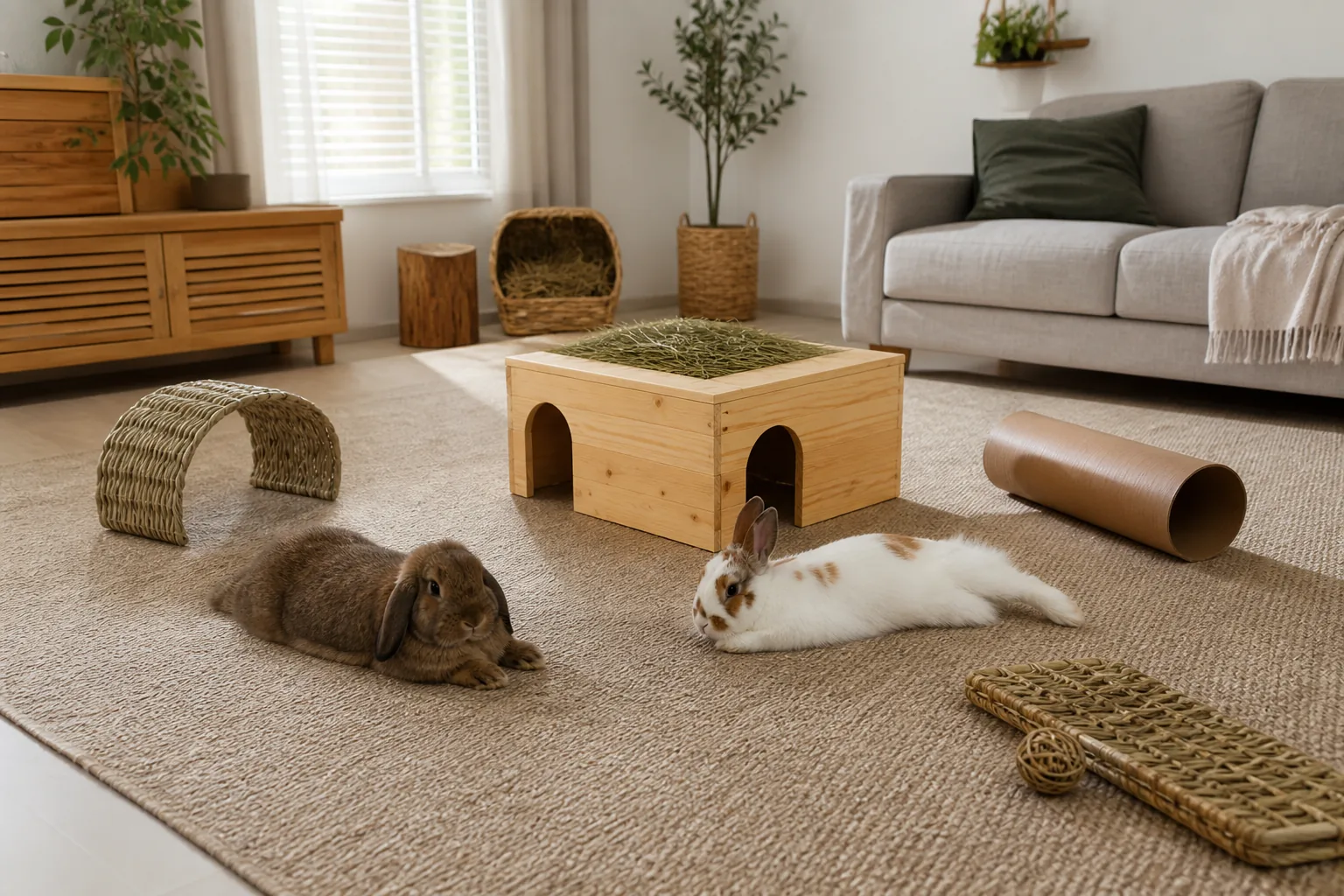
A small pet-shop cage is not a complete rabbit home. Rabbits need enough continuous space to hop, run, stretch fully, stand upright and choose separate areas for eating, toileting and resting. A large exercise pen, a bunny-proofed room or a secure room-and-pen combination is a much better starting structure than a cage full of accessories.
The floor matters as much as the boundary. Slippery tile or laminate can make a rabbit move cautiously and may limit running or confident turns. Cover the usable area with a stable, washable, non-slip rabbit mat or tightly secured rugs. Avoid loops that catch nails, exposed foam that can be swallowed and loose pads that bunch under fast feet.
Bunny-proof the room before arrival. Protect electrical cables, block unsafe gaps behind appliances, move toxic plants out of reach and check skirting boards, furniture finishes and low shelves. The enclosure should not sit in direct sun, a damp corner or a draught. Keep dogs and cats physically separate unless a careful safety plan is already established; supervision does not remove predatory risk.
Every rabbit needs a place to withdraw. A stable cardboard box can be an excellent first hide. Wooden houses, tunnels and fabric shelters can also work when their dimensions, seams and materials suit the rabbit. For bonded rabbits, provide more than one resting choice and prefer enclosed hides with two openings so one rabbit cannot block the only exit.
Enrichment does not have to fill a shopping basket
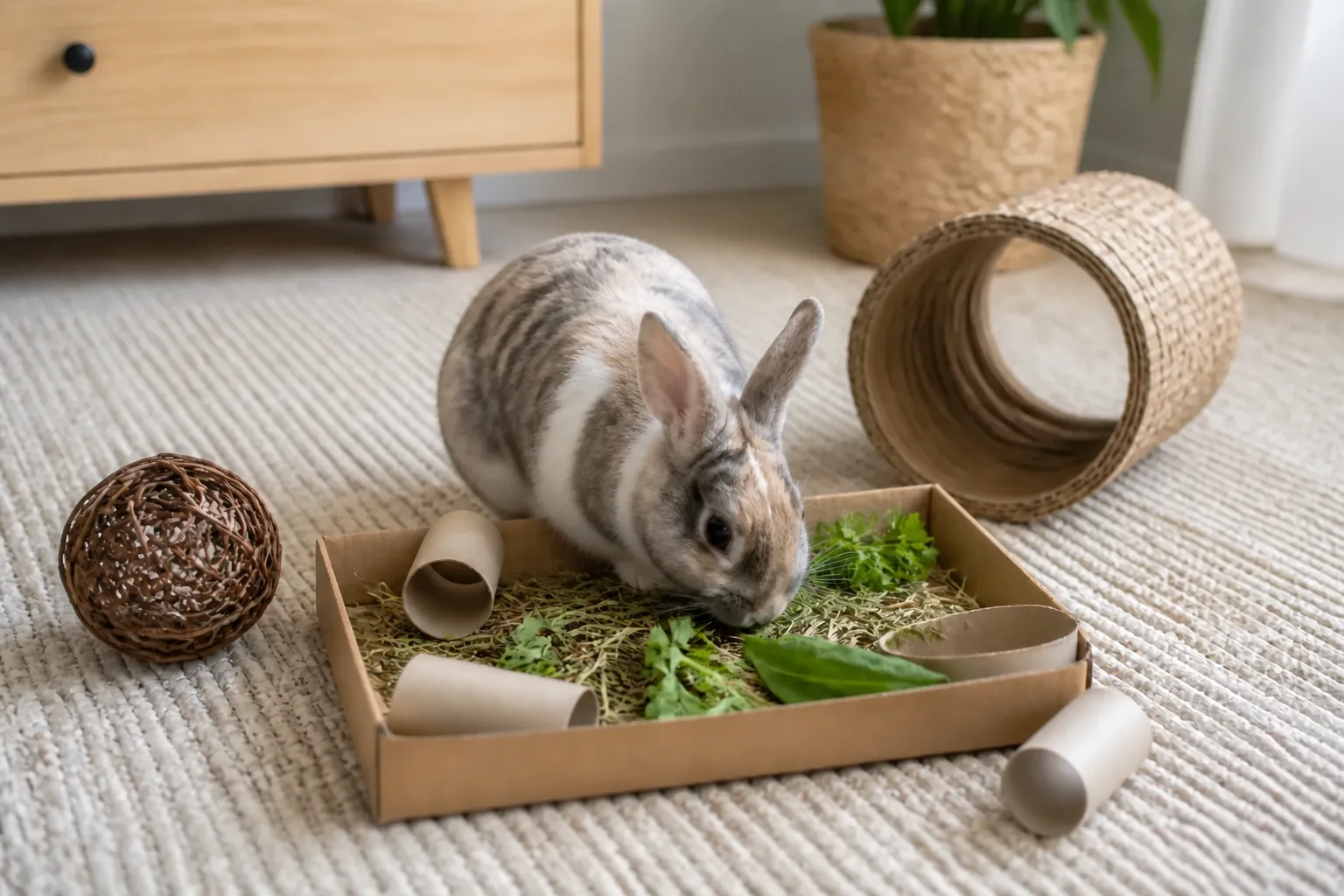
Rabbits are built to search, chew, dig and investigate. The best enrichment gives those behaviours a safe destination. Start with cardboard boxes, plain paper, hay-filled tubes, untreated willow and a digging box appropriate to your home. Scatter a measured pellet portion through hay or hide a few familiar greens so feeding becomes movement and problem-solving.
Commercial rabbit toys can add variety, especially tunnels, chew items and forage puzzles, but introduce one at a time. Watch how your rabbit uses it. A snuffle mat that remains intact during supervised searching may be useful for one rabbit; another may immediately pull and swallow fibres. “Rabbit toy” is a category, not a safety guarantee. Remove anything with sharp edges, loose threads, exposed foam or pieces small enough to swallow.
Rotate a few activities instead of presenting twenty objects at once. Familiarity helps a new rabbit feel secure, while small changes preserve curiosity. The goal is not constant entertainment from you. It is an environment where the rabbit can choose between eating, resting, hiding, exploring and interacting with a compatible companion.


Grooming and cleaning supplies: keep the kit small and useful
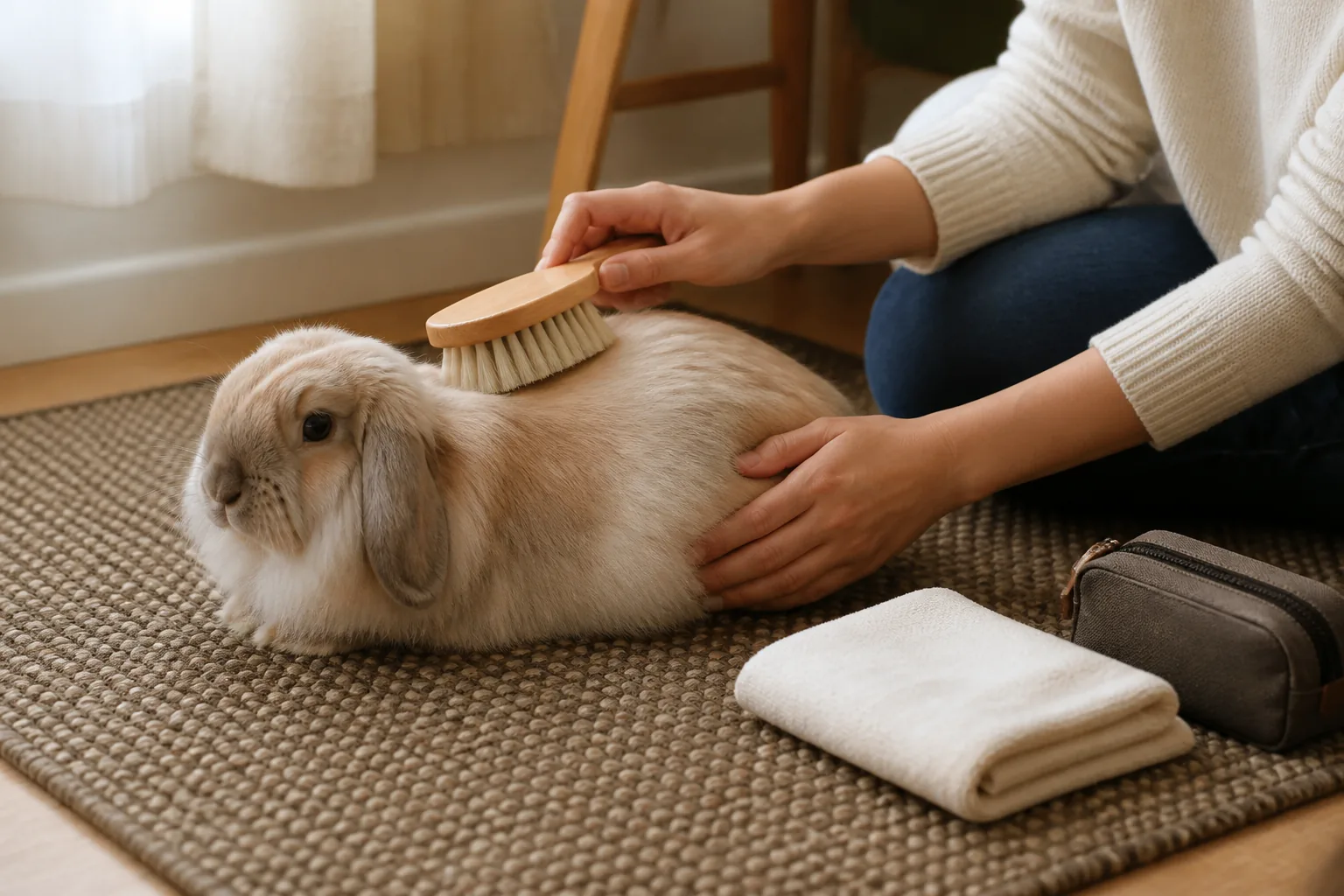
A basic grooming kit begins with a brush or comb suited to the coat. Short-haired rabbits may need only brief sessions outside heavy moults, while long-haired rabbits require more frequent attention to prevent mats and swallowed fur. Work at floor level, keep sessions short and never pull through a knot without understanding how close rabbit skin lies beneath it.
Nail clippers are useful only when the person using them can identify the quick and hold the rabbit safely without forcing the spine. Ask a vet nurse or experienced rabbit professional to demonstrate. It is completely reasonable to book nail trims instead. Add a few clean towels, a dustpan for hay and a pet-safe, unscented cleaning product. Rinse cleaned surfaces as directed and let the area dry before the rabbit returns.
Do not build a home pharmacy from internet lists. Syringes, recovery food and medications are valuable only when a vet has explained when and how to use them. Pain relief, gut stimulants or leftover antibiotics should never be given casually. The most important health preparation is the phone number of a rabbit-savvy veterinarian, an out-of-hours plan and money reserved for care.
A proper carrier is essential before the first vet visit
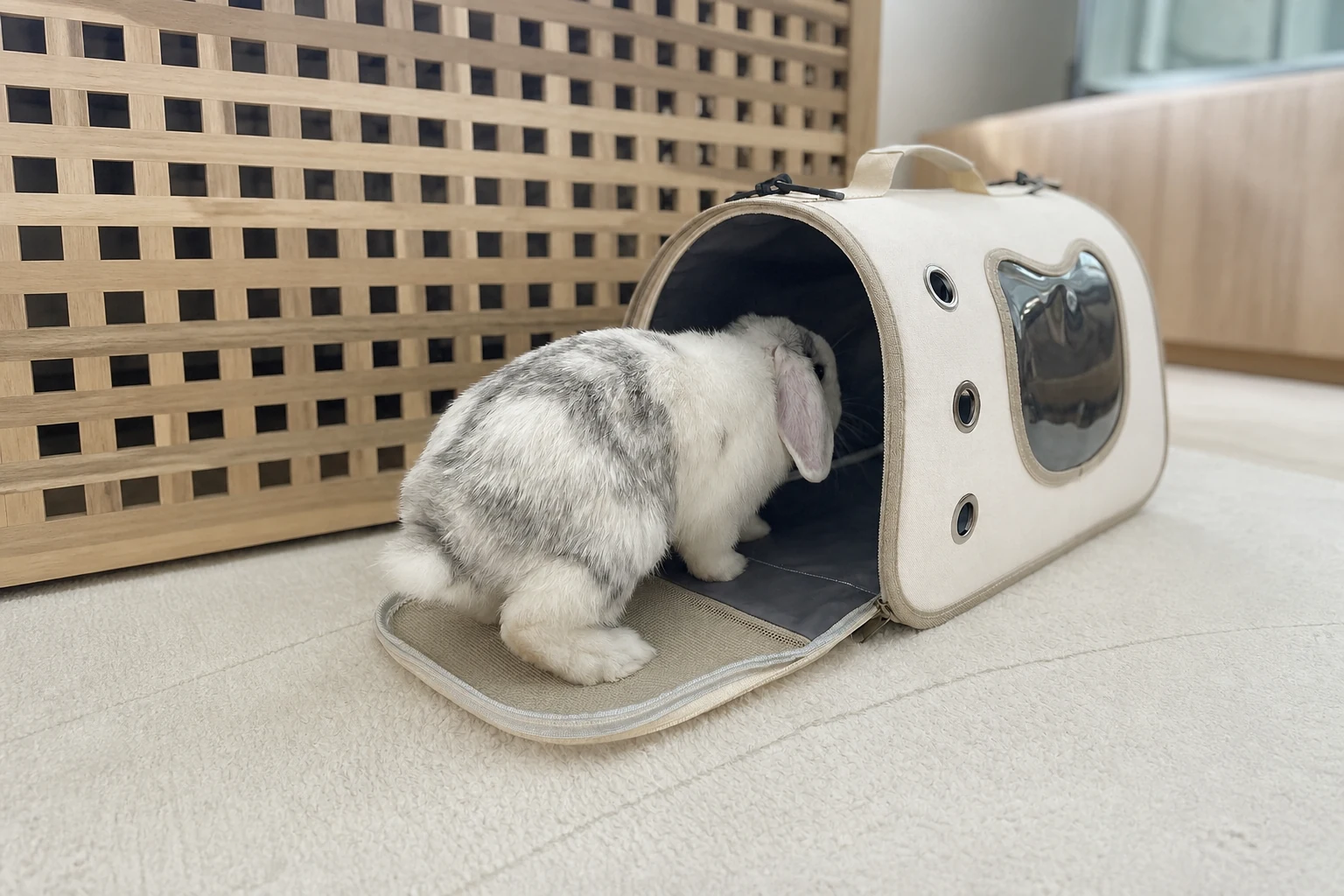
Do not wait for an emergency to buy transport. Choose a sturdy, secure and well-ventilated carrier with a floor that will not collapse. It should allow the rabbit to lie comfortably and turn around without being so oversized that they slide during travel. Front and top access can make veterinary handling easier. Line the base with a non-slip towel or absorbent layer and add hay.
Leave the carrier open in the living area before it is needed, secure the door so it cannot swing and place a little hay inside. Voluntary investigation turns an alarming object into familiar furniture. If you have a bonded pair, ask the clinic whether both rabbits should attend; travelling together often protects social comfort, but you should also be prepared for the possibility of temporary medical separation.
Rabbit World picks that solve a real setup problem
Once the welfare basics are covered, choose products by function and measurements. These Rabbit World collections help compare options without assuming that every rabbit needs every item.
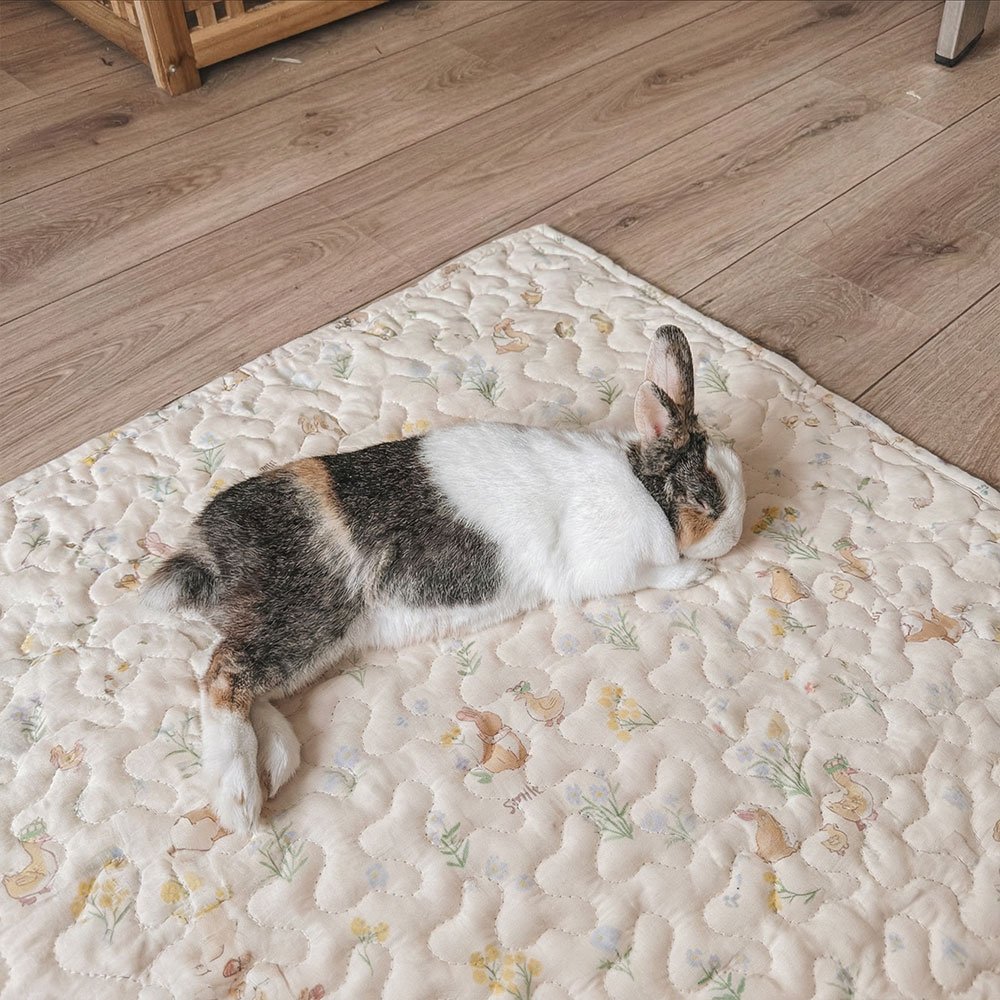
Stable mats
Use washable, non-slip flooring to create confident movement zones near the litter tray, hide and play area.
Compare rabbit mats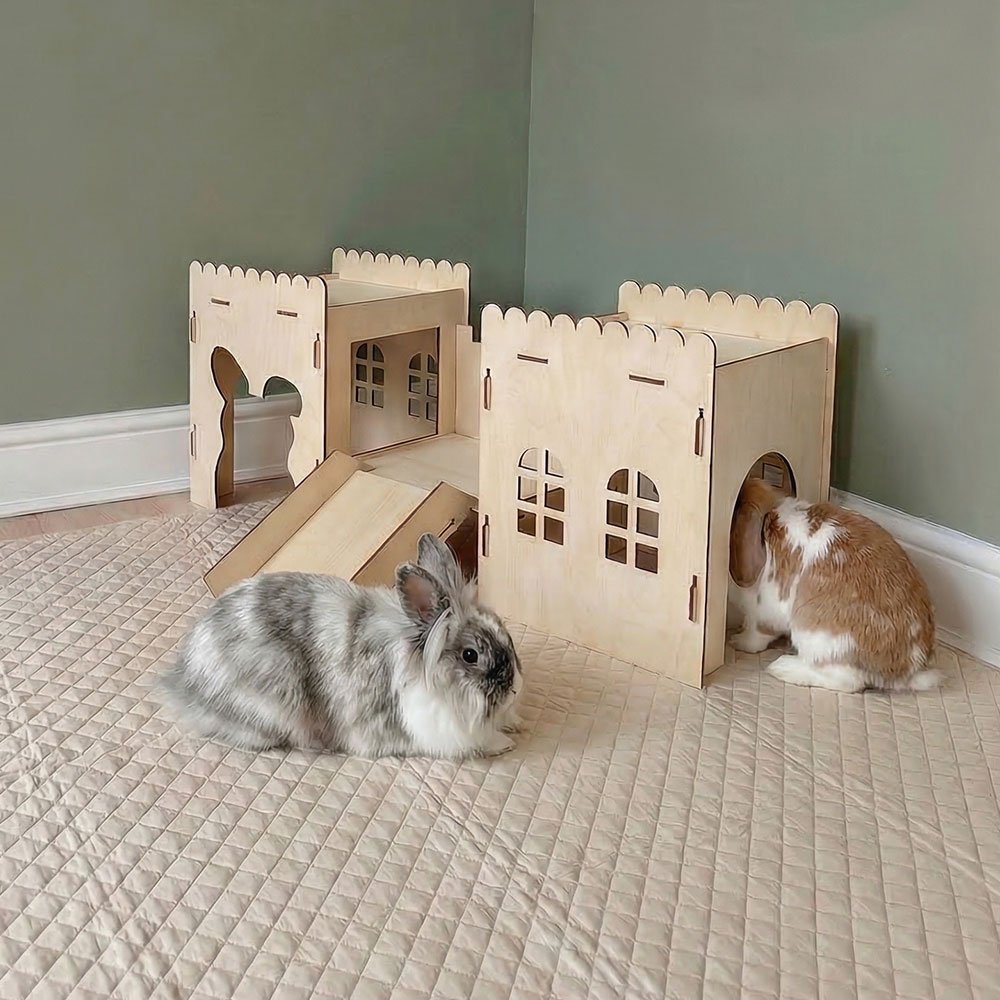
Houses and hides
Compare internal space, entry size, number of exits, stability and cleaning needs before choosing a shelter.
Explore rabbit houses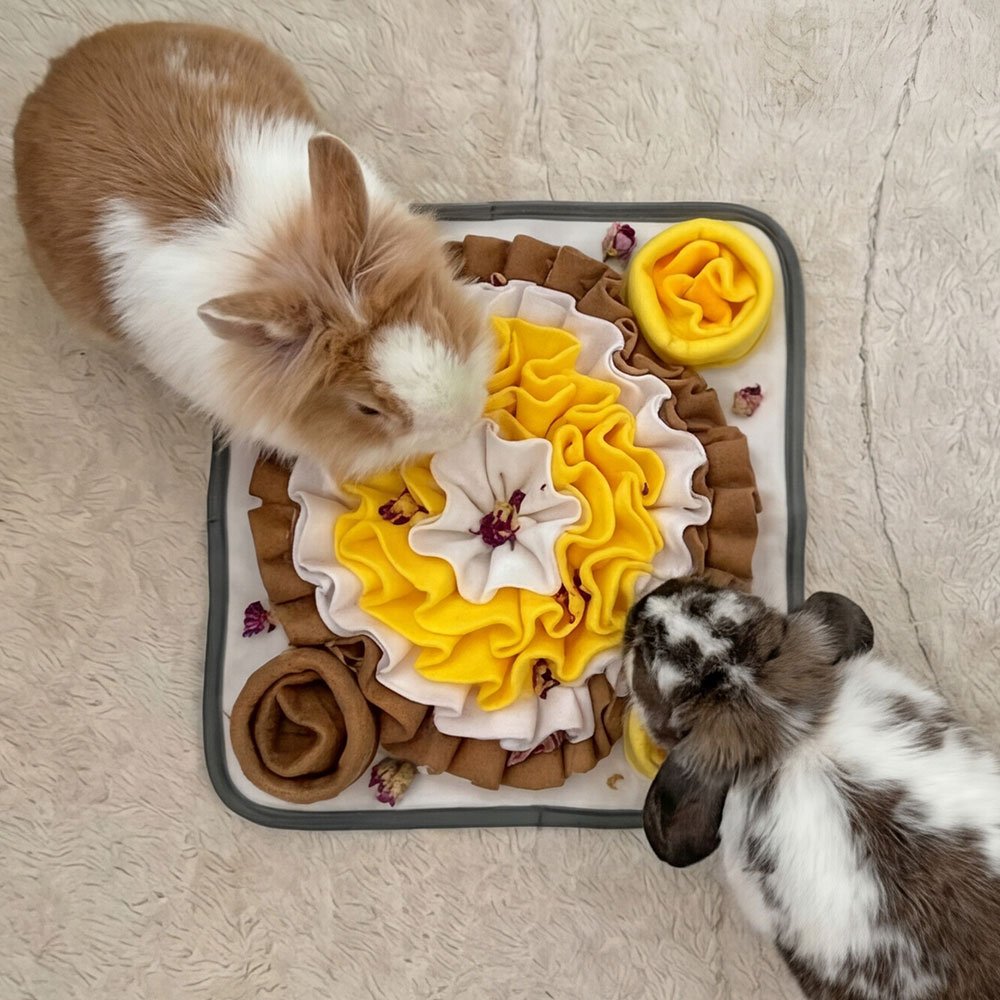
Toys and tunnels
Select an activity your rabbit already enjoys, then supervise the first uses and inspect it regularly.
Browse rabbit toys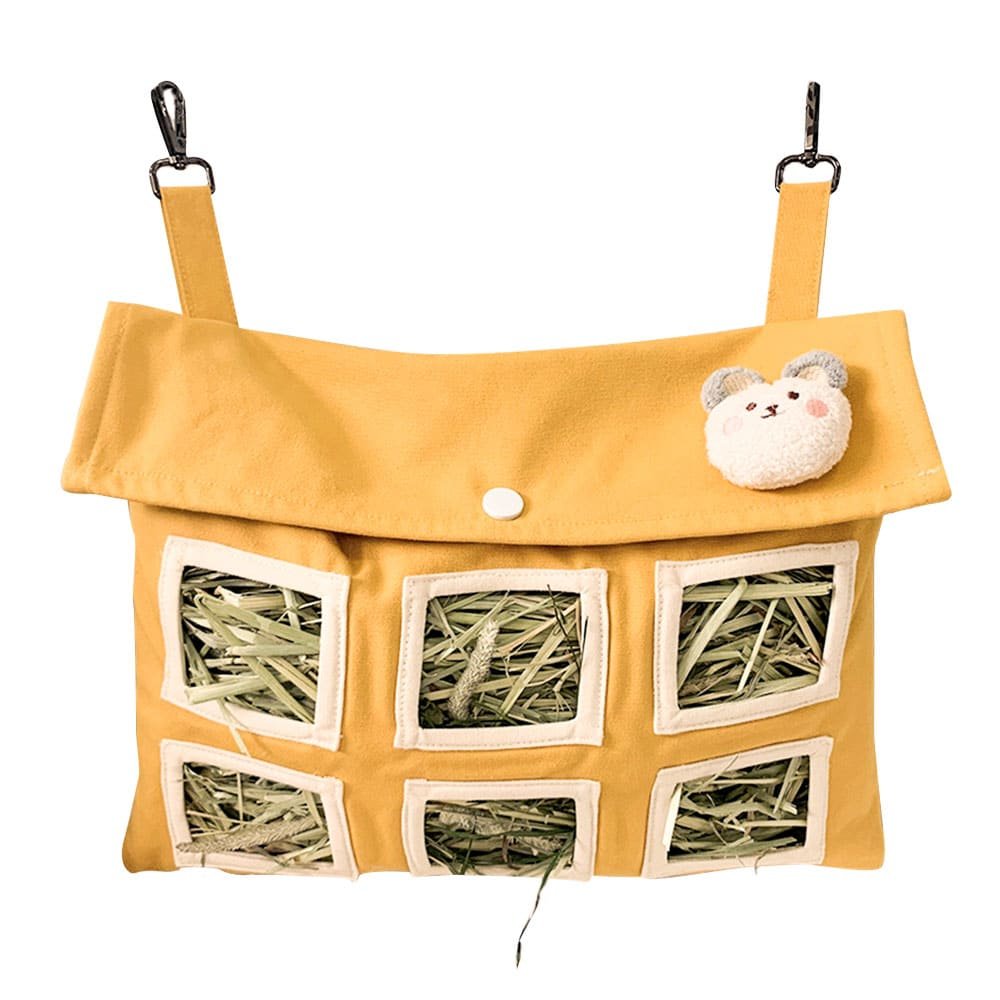
Hay feeders
A feeder can contain part of the hay while keeping an easy, generous feeding position available at all times.
Compare hay feeders
Bowls, litter and grooming
Prioritise usable size, stability, cleaning and material safety over novelty shapes or matching colours.
See rabbit accessories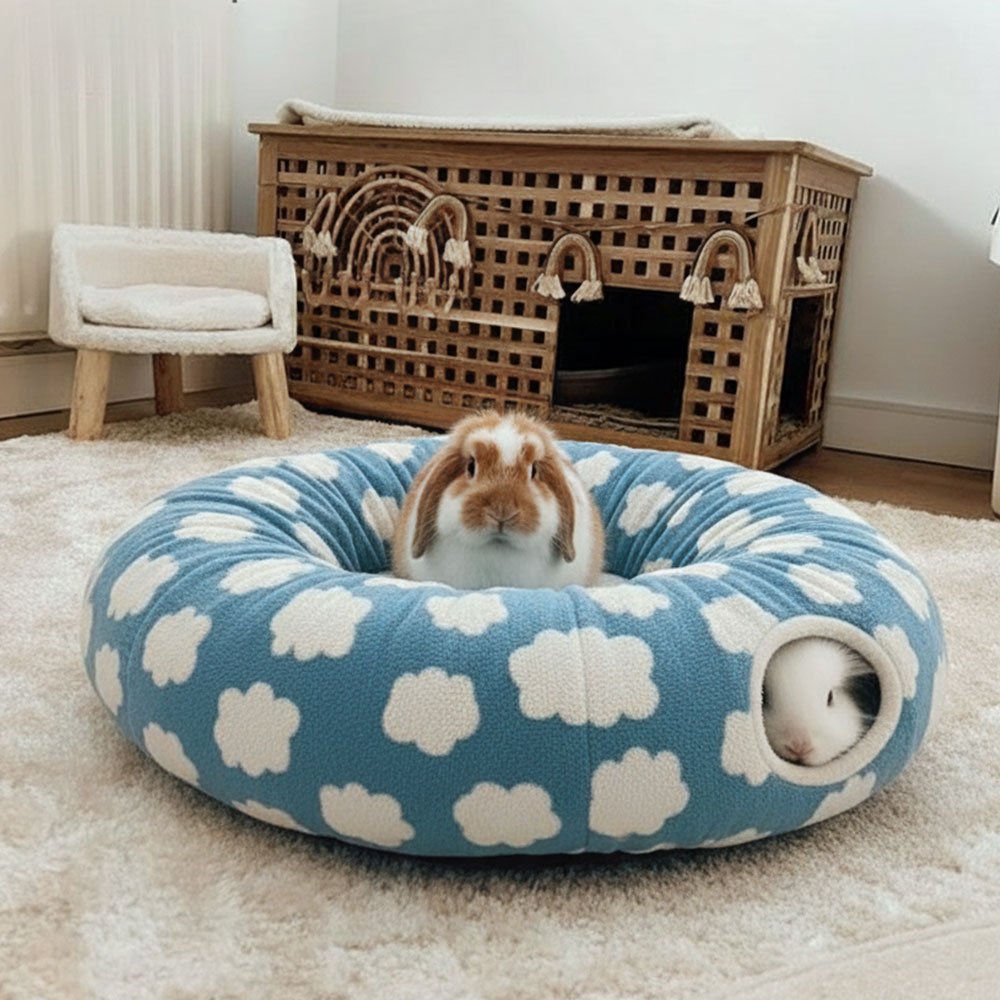
Cloud rabbit tunnel
Check opening diameter, ventilation, exits and seams so the tunnel remains a route rather than a trap.
See the cloud tunnelWhat rabbit supplies should you skip?

Tiny cages and wire floors
They do not provide the continuous space or solid footing rabbits need. A cage base may hold a litter tray, but it should not define the whole living area.

Exercise balls and wheels
Rabbit bodies are not designed for hamster-style equipment. These products restrict natural movement and can create fear or injury risk.

Salt, mineral and dairy treats
Healthy rabbits do not need salt licks, mineral blocks, yoghurt drops or colourful sugary snacks. Choose diet changes with your vet, not packaging claims.

Clumping or expanding litter
Use a rabbit-appropriate, non-clumping and non-expanding litter. Avoid strongly perfumed products and dusty material that irritates the rabbit or hides changes in urine.

A bed for every corner
Many rabbits prefer a mat, hide or bare cool surface to a plush bed. Buy one only after observing how your rabbit rests, and remove exposed filling or chewed foam.

Small triangular corner litter trays
The little corner trays commonly sold for rabbits in pet shops are too cramped for an adult rabbit to turn around, sit naturally and toilet without hanging over the edge. Choose a large rectangular litter tray instead.
Do not buy a rabbit as an accessory to the supplies
Rabbits are social animals with complex, long-term needs. A compatible neutered rabbit companion, adequate daily space, rabbit-savvy veterinary care and time for cleaning cost more than the initial shopping list. Plan the life first, then choose the products that support it.
How to spend your budget in the right order
| Priority | Buy or arrange | Why it comes now |
|---|---|---|
| Before arrival | Hay, familiar food, water bowl, large litter tray, safe litter, secure living space, non-slip floor, hide and carrier | These items support eating, hydration, toileting, movement, rest and emergency transport from day one. |
| During week one | Coat-appropriate brush, cleaning kit, cable protection, extra hide and simple cardboard enrichment | You can adjust sizes and placement after observing the rabbit’s habits without delaying essential care. |
| After settling | Tunnels, forage puzzles, upgraded hay feeder, additional mats or a preferred style of bed | Your rabbit’s real choices reveal which additions will be used instead of becoming clutter. |
| Always reserve | Veterinary appointments, vaccinations where recommended, neutering, bonding support and an emergency fund | Products cannot replace preventive healthcare, companionship or professional help when behaviour or appetite changes. |
Measure the available room and the rabbit before ordering. Record tray dimensions, doorway width and the usable internal space of carriers and hides. For a bonded pair, check whether both rabbits can use an item without crowding. Spending slightly more on a large washable foundation usually helps more than purchasing several decorative objects that do not fit.
Frequently asked questions about new rabbit supplies
What should I buy before bringing a rabbit home?
Prepare hay, the rabbit’s familiar pellets, a heavy water bowl, a large litter tray with rabbit-safe litter, a spacious secure area, non-slip flooring, a hide, simple enrichment and a sturdy carrier. Register with a rabbit-savvy vet and ask the rescue about diet, health records and companionship.
Does a rabbit need a cage?
No small cage should be a rabbit’s complete home. Indoor rabbits need a large pen, a bunny-proofed room or another secure arrangement that provides continuous room to move, rest, eat and toilet. A cage base can sometimes be repurposed as an open litter area.
Is a water bowl or bottle better for rabbits?
Many rabbits drink naturally from a heavy bowl, provided it stays clean and cannot be tipped. A bottle can be offered too, but its flow must be checked daily. Fresh water should remain available at all times.
What is the best litter for a new rabbit?
Choose an unscented, absorbent, non-clumping and non-expanding litter that is suitable for rabbits, such as an appropriate paper-based product. Avoid clumping cat litter and strongly scented materials. Ask the rescue what the rabbit already uses before changing it.
How many toys does a rabbit need?
There is no magic number. Offer several activity types—chewing, digging, hiding and foraging—while leaving open space. Rotate a few safe options and observe preferences. Cardboard and hay-based activities can be as useful as purchased toys.
Do I need a bed for my rabbit?
Not necessarily. Rabbits need comfortable, dry, non-slip resting choices and a secure hide, but many ignore plush beds. Start with safe flooring and shelter, then add a bed only if the rabbit’s habits and chewing behaviour make it suitable.



Elodie
Rabbit guardian and care enthusiast with over 10 years of hands-on experience living with house rabbits. Through Rabbit World, Elodie shares warm, practical guidance focused on comfort, safety and the small everyday details that help every little bun feel at home.