Rabbit Hideout
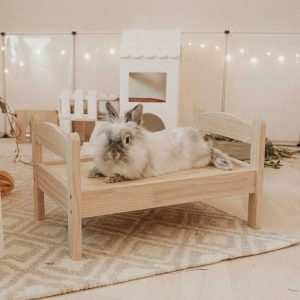
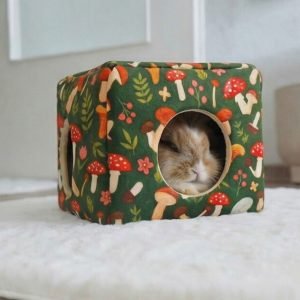
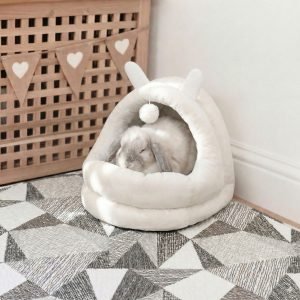
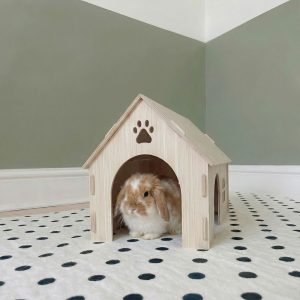
Explore rabbit hideouts for resting, hiding and everyday play. Shop soft hideaways, tunnels, bunny tents, teepees, round designs and wooden houses for different indoor setups.
Compare the internal size, entrance design, materials and cleaning method. Some hideouts provide a soft resting place, while others add tunnels, lookout areas or multiple openings for more ways to explore.
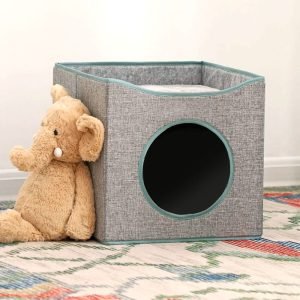
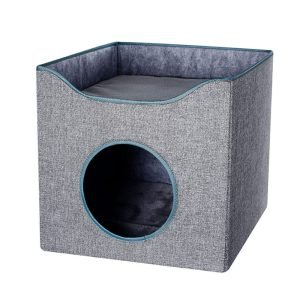

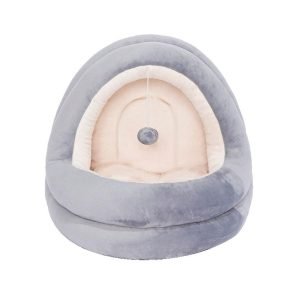

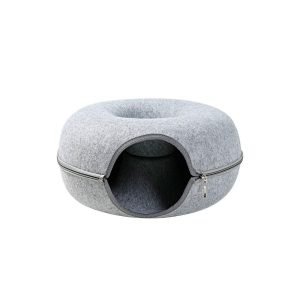
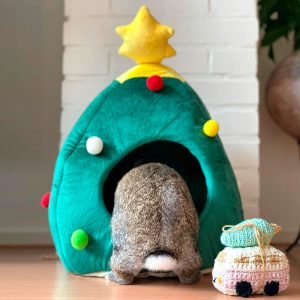
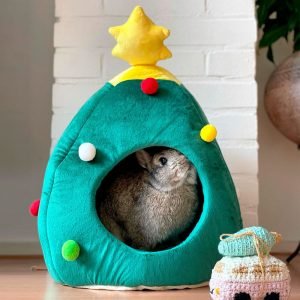
Compare Rabbit Hideouts by Type
Rabbit hideouts come in different shapes, materials and sizes. A soft bunny hideout can provide a comfortable resting place, while tunnels, tents, teepees and wooden designs offer different ways to hide, move and explore. Compare the available space, internal dimensions, entrances and cleaning method before choosing.
| Hideout type | Products to compare | Main features | What to check |
|---|---|---|---|
| Soft fabric hideouts | Forest Double Hideout and White Soft House | Covered resting space with a soft interior | Internal dimensions, number of openings and washing method |
| Tunnel hideouts | Forest Tunnel Hideout and Grey Rabbit Tunnel | A covered route for moving, exploring and resting | Tunnel width, length and available floor space |
| Bunny tents and teepees | Rabbit House Teepee and Rabbit House Tent | Lightweight covered retreat with a decorative design | Entrance size, assembly and cushion care |
| Round and multi-level hideouts | Round Rabbit House and Rabbit House 2-in-1 | Resting area combined with an upper lookout surface | Overall size, surface stability and recommended rabbit size |
| Wooden rabbit hideaways | Small Wooden Rabbit House and Small Rabbit Castle | Structured retreat for hiding, resting and climbing | Entrance dimensions, assembly and available room |
How to Choose an Indoor Rabbit Hideout
- Compare the entrance and internal dimensions with your rabbit’s size.
- Choose enough room for your rabbit to enter, turn around and rest comfortably.
- Consider whether your rabbit prefers a soft hideaway, tunnel, tent or structured wooden retreat.
- Compare single-opening designs with hideouts that provide two ways to move through.
- Check the recommended cleaning method before choosing fabric, felt or wood.
- Place the hideout on a stable, dry surface in your rabbit’s indoor living area.
- Keep the entrances accessible and leave enough room around tunnels and multi-level designs.
- Check fabric, cushions, wooden panels and fittings as part of regular cleaning.
- Use the dimensions and care instructions on each product page before ordering.
For a broader selection of structured designs, castles and house-shaped retreats, explore our indoor rabbit houses. If your rabbit prefers an open resting surface, compare our rabbit beds and rabbit mats.
Rabbit Hideout FAQ
What size rabbit hideout should I choose?
Choose a hideout with an entrance and interior suited to your rabbit’s measurements. Your rabbit should have enough room to enter, turn around and settle comfortably. Check the dimensions on the individual product page, especially when choosing for a larger rabbit or bonded pair.
What is the difference between a rabbit hideout and a rabbit house?
A rabbit hideout describes any covered retreat used for hiding or resting. A rabbit house often refers to a more structured or house-shaped design. Tents, teepees, tunnels and wooden houses can fit both descriptions, so compare the material, dimensions and individual features rather than relying only on the product name.
Should I choose a soft or wooden rabbit hideout?
Soft fabric hideouts provide a cushioned resting space and may include removable or washable parts. Wooden hideouts provide a firmer structure and may include lookout or climbing areas. Choose according to your rabbit’s preferences, available space and preferred cleaning method.
Can two rabbits share one hideout?
A bonded pair may share a hideout when the interior is large enough for both rabbits. Compare the product dimensions with the size of the pair while resting together. Providing more than one resting option also lets each rabbit choose where to settle.
Can these rabbit hideouts be used outdoors?
Most hideouts in this collection are designed for dry indoor spaces. Fabric tents, cushions and indoor wooden designs should not be treated as weatherproof outdoor housing. Check the intended location and care instructions on the individual product page before use.