Rabbit Enrichment
Shop rabbit enrichment toys for foraging, searching, nudging, rolling, stacking and problem-solving. This collection includes puzzle boards, snuffle and foraging mats, treat dispensers, balls, stacking cups and interactive wooden or plastic toys.
Choose by activity, material, difficulty, stability and your rabbit’s habits. Introduce each new item during supervised play, use food from the normal daily allowance, and remove any toy that becomes damaged or develops loose pieces.
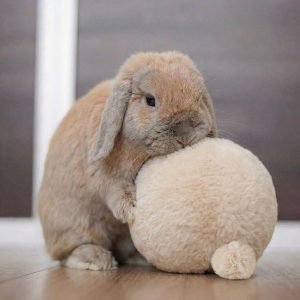
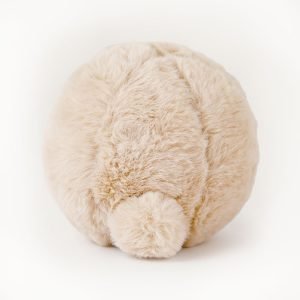
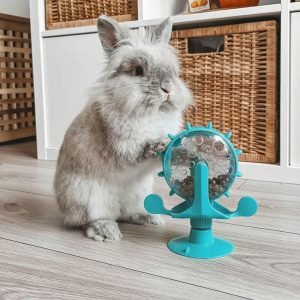
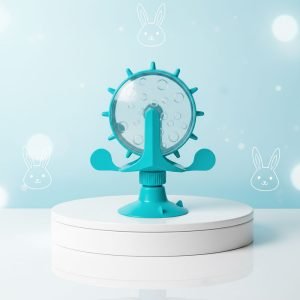
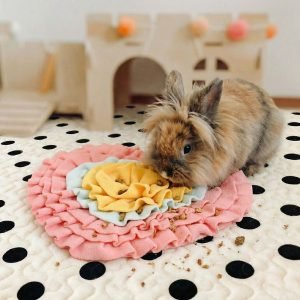
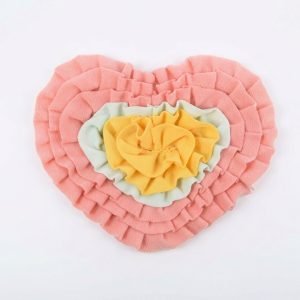
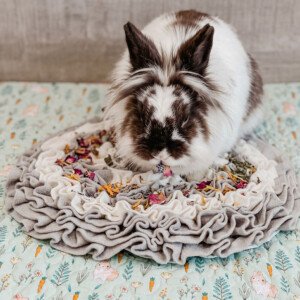
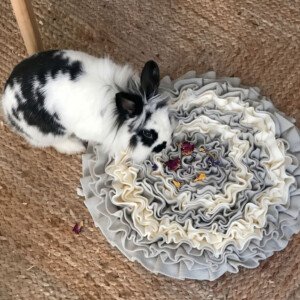
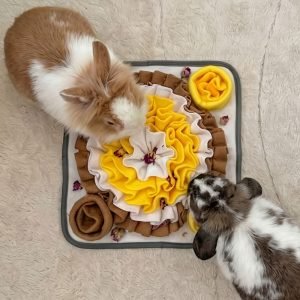
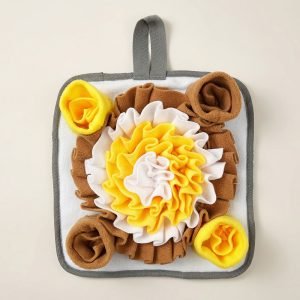
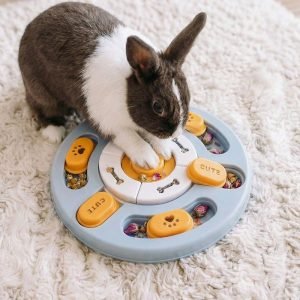
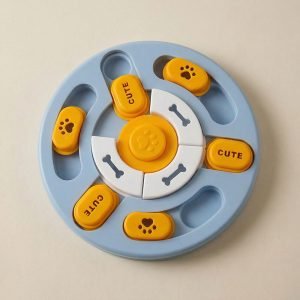
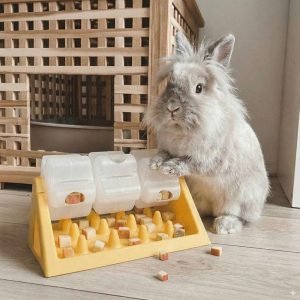
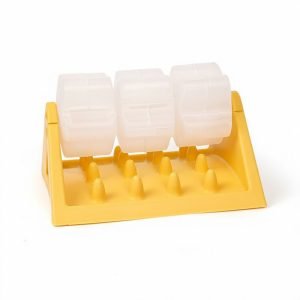
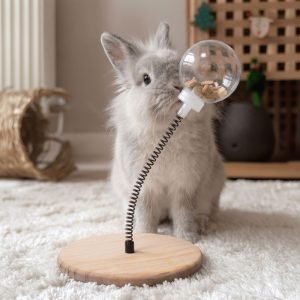
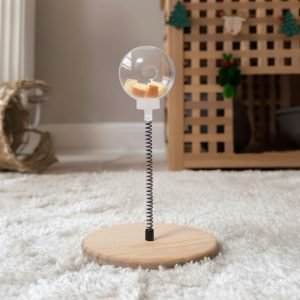
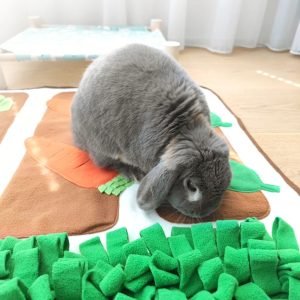
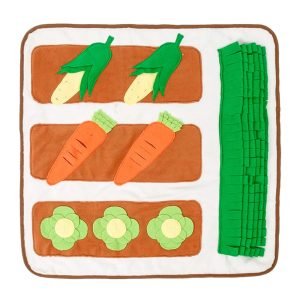
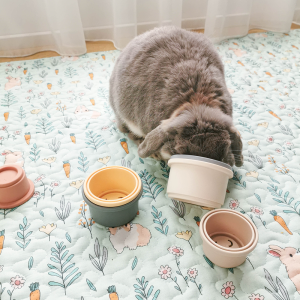
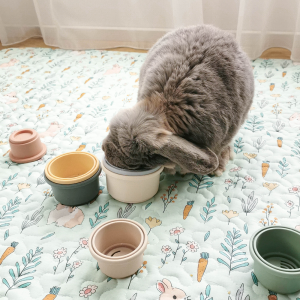
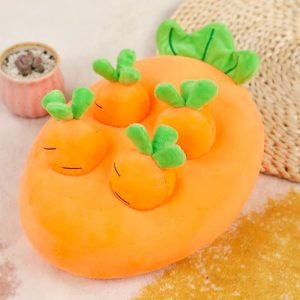
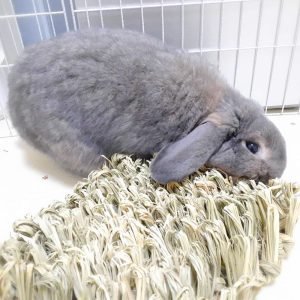
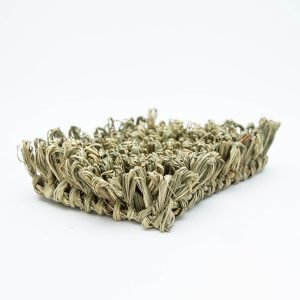
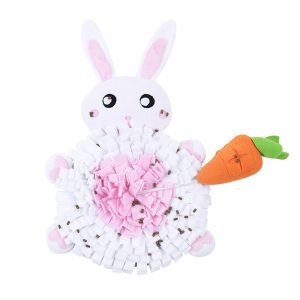
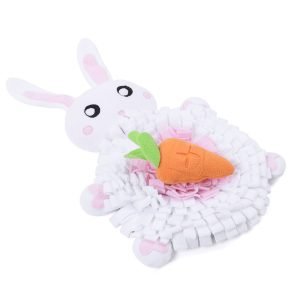
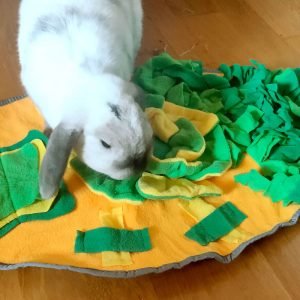
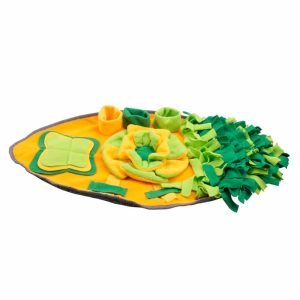
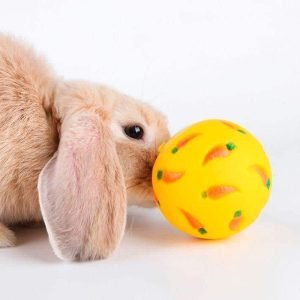
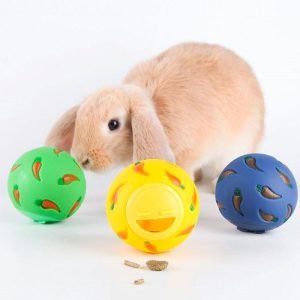
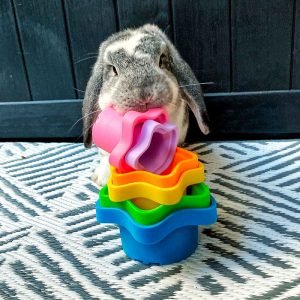
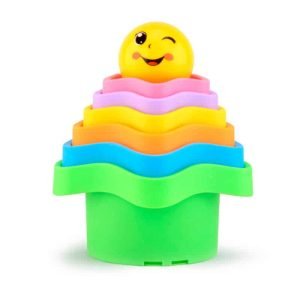
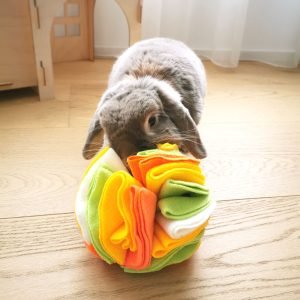
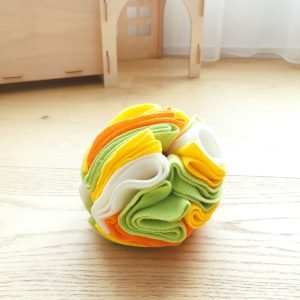
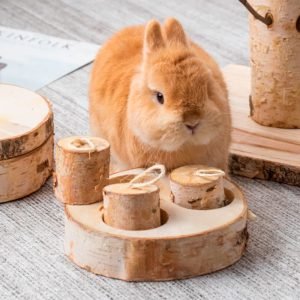
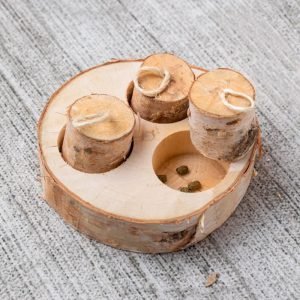
Choose Rabbit Enrichment Toys by Activity
Rabbits have individual preferences. Some enjoy searching through fabric folds, while others prefer sliding puzzle pieces, rolling a treat ball, lifting cups or tossing lightweight objects. Start with one activity type and observe how your rabbit interacts with it before increasing the difficulty.
| Activity | Products to compare | How rabbits interact | Main safety check |
|---|---|---|---|
| Foraging and sniffing | Snuffle mats, forage mats, fabric balls and carrot-search toys | Search through folds or layers for small pieces of food | Supervise fabric use and remove loose fibres or damaged stitching |
| Problem-solving | Puzzle boards, sliding covers and interactive wheels | Nudge, slide, lift or turn parts to uncover food | Check moving parts, openings and detachable pieces |
| Rolling and nudging | Treat balls, rolling dispensers and plastic balls | Push the toy so small food pieces are released | Confirm that the opening releases food freely and cannot trap teeth or toes |
| Stacking and lifting | Stacking cups and lightweight hiding toys | Lift, separate, rearrange or toss objects | Remove cracked pieces and anything small enough to swallow |
| Tossing and object play | Plush balls, colored toys and lightweight interactive objects | Nudge, carry, toss or reposition the toy | Check seams, stuffing, plastic edges and signs of chewing |
Rabbit Enrichment Toy Safety Checks
- Supervise the first uses of every new enrichment toy.
- Do not assume that an enrichment toy is automatically intended or safe for chewing.
- Check for sharp edges, loose fibres, exposed fastenings and detachable parts.
- Remove fabric items if your rabbit chews or swallows the material.
- Check puzzle openings and moving parts so toes, nails, teeth or fur cannot become trapped.
- Place rolling and puzzle toys on a stable, non-slip surface.
- Start with an easy challenge and increase difficulty gradually.
- Never force a nervous rabbit to interact with a new object.
- Use pellets or suitable food from the rabbit’s normal daily allowance rather than adding extra calories.
- Use only food that suits the product and cannot become trapped or spoil inside it.
- Clean food-based toys after use and allow them to dry completely.
- For bonded rabbits, provide enough toys or separate sessions if one rabbit controls access.
- Rotate selected toys without filling the living area so heavily that movement becomes restricted.
- Keep constant access to fresh hay, clean water, sufficient exercise space and compatible rabbit companionship.
For tunnels, toss toys and a broader range of play products, explore our rabbit toys. For products specifically intended for gnawing, visit rabbit chew toys. A stable rabbit mat may also provide better grip during supervised puzzle play.
Rabbit Enrichment FAQ
What is a rabbit enrichment toy?
A rabbit enrichment toy provides an opportunity to perform activities such as searching, foraging, nudging, lifting, tossing or problem-solving. Toys are one part of enrichment and do not replace sufficient living space, exercise, hay, water or compatible rabbit companionship.
Which enrichment toy will my rabbit enjoy?
Preferences vary. Food-motivated rabbits may enjoy puzzles, snuffle mats and rolling dispensers. Rabbits that like rearranging objects may prefer stacking cups or lightweight balls. Introduce one activity at a time and observe what your rabbit chooses.
How much food should be placed in a puzzle toy?
Use a small amount from your rabbit’s normal daily pellet or suitable food allowance. The purpose is to encourage searching and problem-solving, not to add an extra meal. Make sure the pieces can be released easily and do not become stuck inside the toy.
Can rabbit enrichment toys be left unsupervised?
Supervise every new toy initially. Whether it can remain available later depends on the material, design, condition and your rabbit’s chewing habits. Fabric toys, damaged products and toys with loose or moving pieces require particularly careful monitoring.
How often should rabbit enrichment toys be rotated?
Rotate a few toys when interest begins to decline rather than changing the entire setup at once. Familiar toys can be cleaned and reintroduced later. Keep predictable routines for activities your rabbit expects at a particular time.