Most house rabbits share our lives for many years. Here is what the numbers really mean, what can influence longevity and how to support your bun through every life stage.
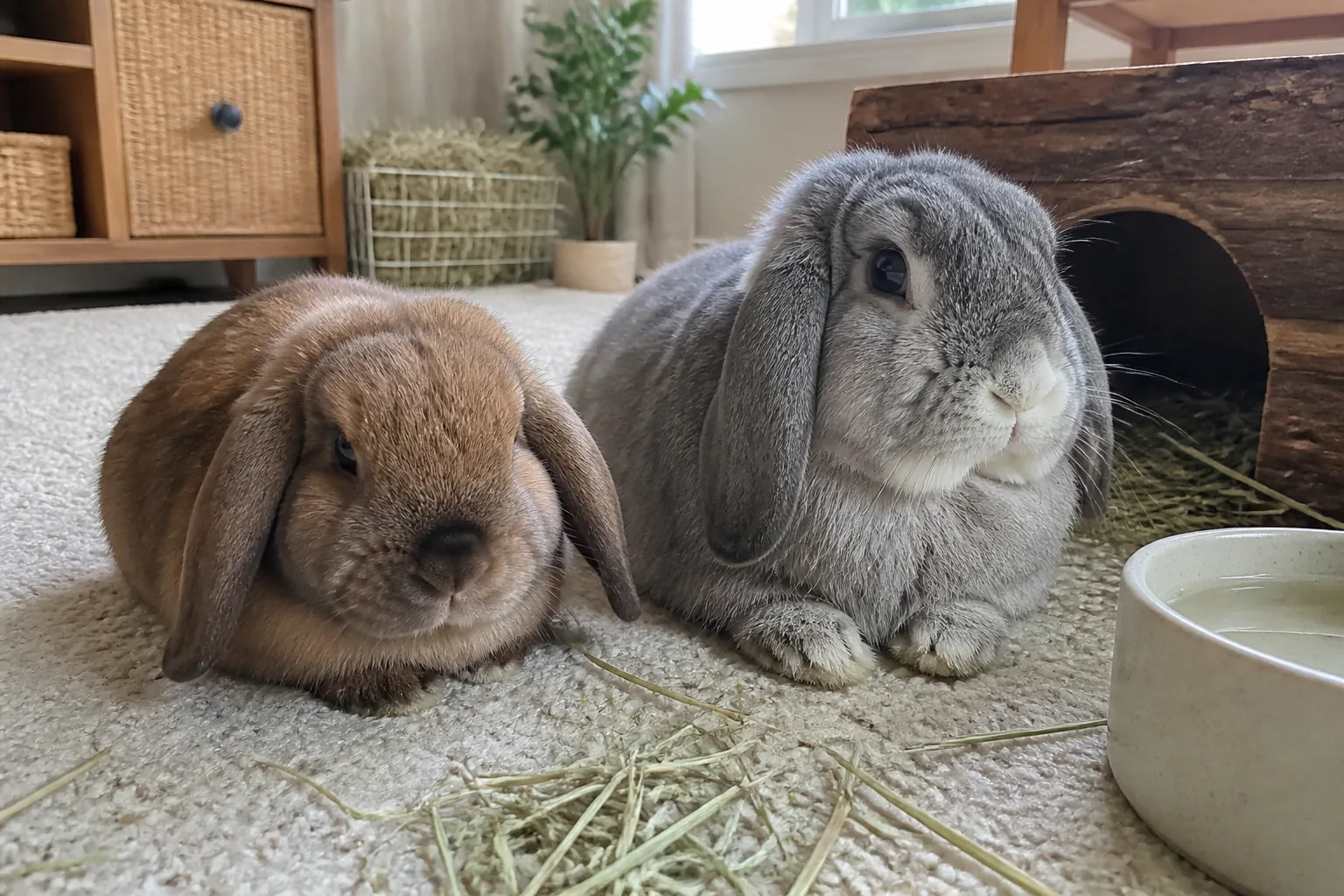
How long do pet rabbits live?
Pet rabbits commonly live about 8 to 12 years, and some live longer. This is a general guide rather than a fixed rule, because every bunny follows their own path. Genetics play a part, but daily care, diet, housing, companionship, preventive veterinary care and early treatment of illness can all influence the years a bunny enjoys.
The RSPCA gives 8 to 12 years as a typical pet-rabbit lifespan, with some rabbits living beyond that range. The best way to use this number is practical: when you welcome a little bun home, you are making a long-term commitment that may carry them from mischievous youngster to wonderfully opinionated senior.
Plan for those years from the beginning. Rabbit-proofing, a trusted rabbit-savvy clinic, space for a compatible companion and a small emergency-care budget are not only “future” concerns. They create stability now and make it easier to respond calmly when your bunny’s needs change.


A rabbit’s life stages at a glance
Life stages overlap. A tiny breed is not automatically old on its fifth birthday, and a larger rabbit may show age-related needs sooner. Watch the rabbit in front of you and use this timeline as a guide rather than a deadline.
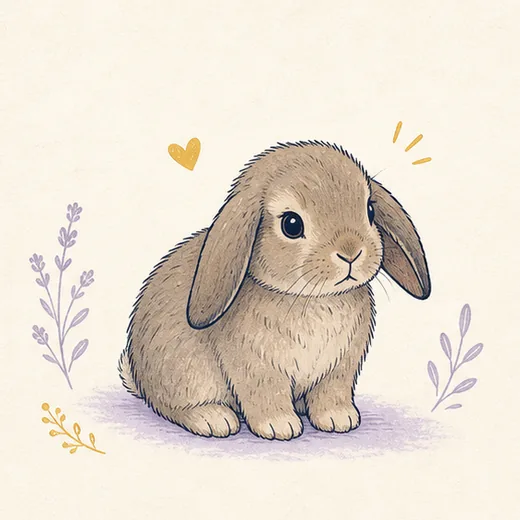 Growing and learning
Fast development, changing food needs, litter habits and a great deal of curious exploration.
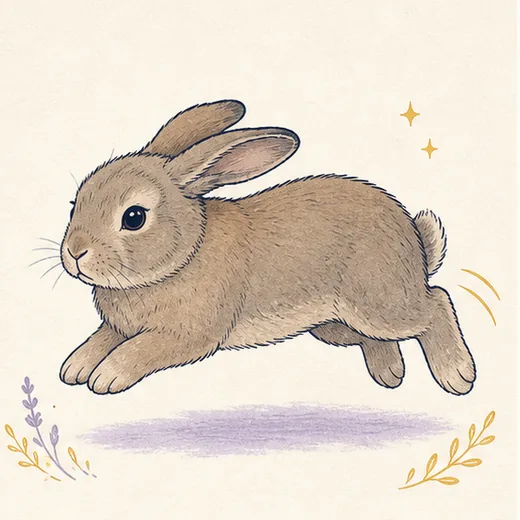 Adult years
Established routines, active movement and consistent preventive care form the foundation.
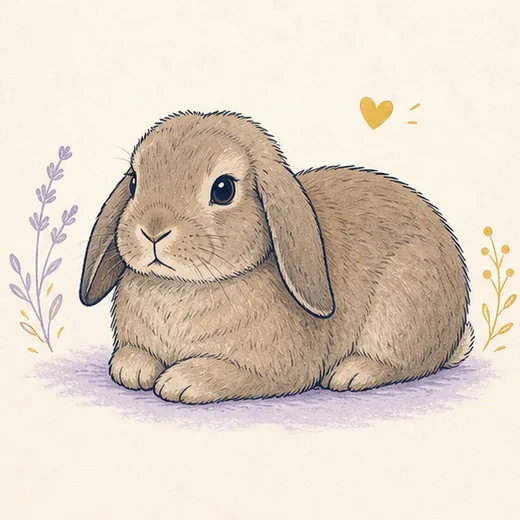 Mature years
Some buns begin to slow down or need easier access, while others remain as lively as ever.
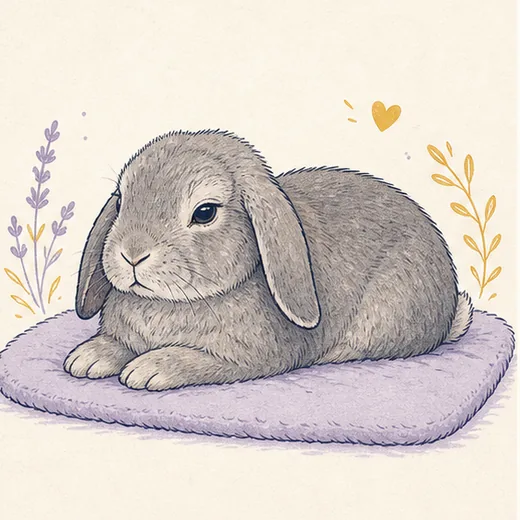 Senior bun
Closer observation, comfort adjustments and timely veterinary support become especially valuable.
What influences a pet rabbit’s lifespan?
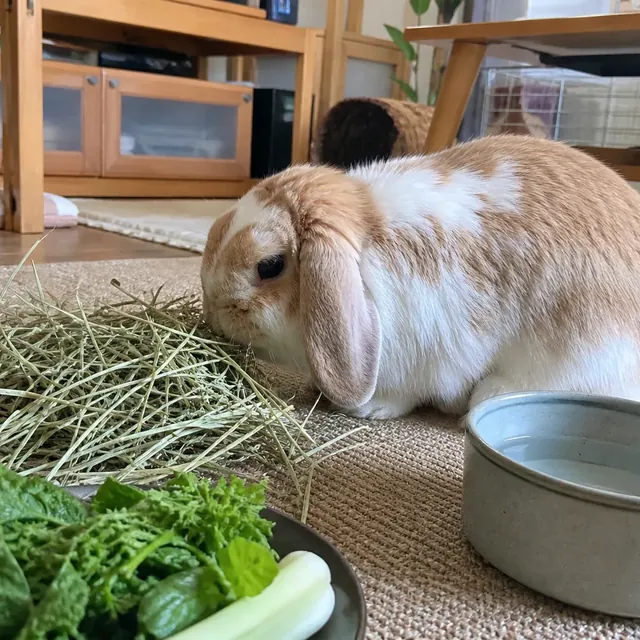
Fiber-rich food
Unlimited grass hay keeps the digestive system moving and supports the long chewing sessions rabbit teeth need. Fresh water, suitable greens and measured pellets complete the routine.
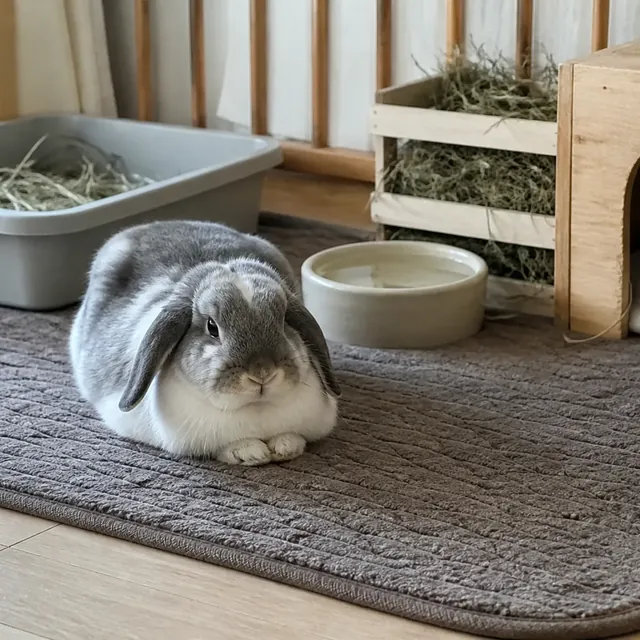
Safe housing
A roomy, dry and well-ventilated home with solid, non-slip flooring reduces daily stress and makes natural movement easier.
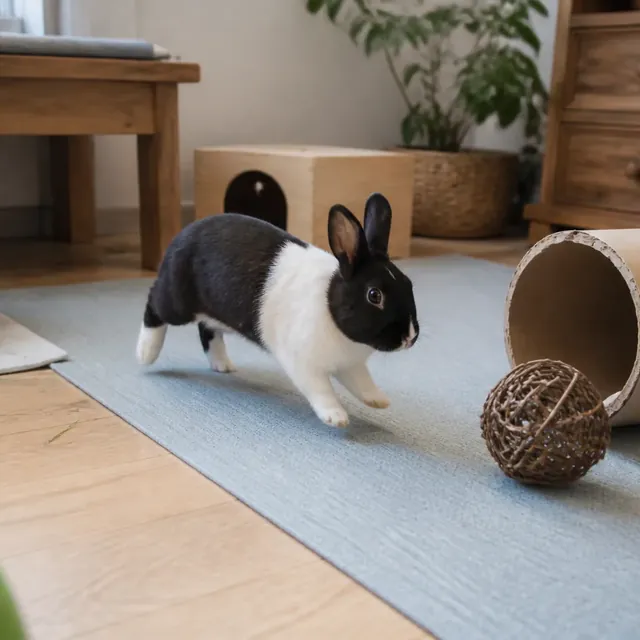
Movement and enrichment
Hopping, stretching, foraging, digging and exploring support the body and mind. A bun should not spend life confined to a small cage.
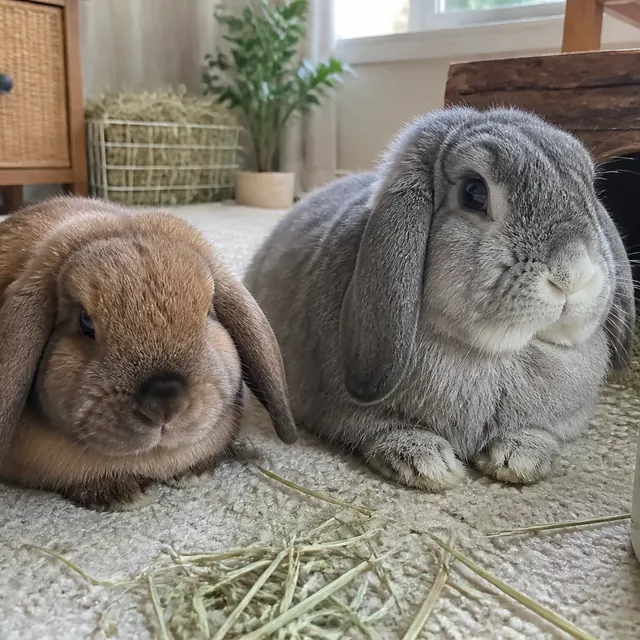
Rabbit companionship
Rabbits are social. A compatible, carefully bonded rabbit friend can provide company, grooming and quiet reassurance.
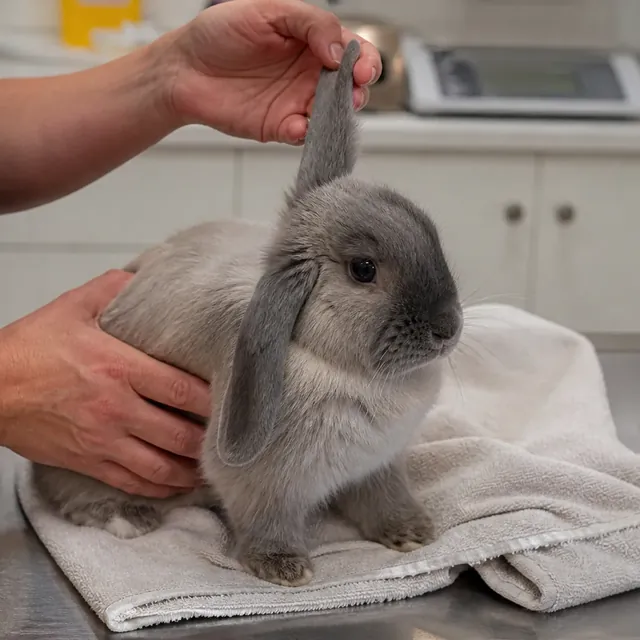
Preventive care
Routine checkups, vaccination where recommended and a conversation about spaying or neutering help prevent or identify serious problems.
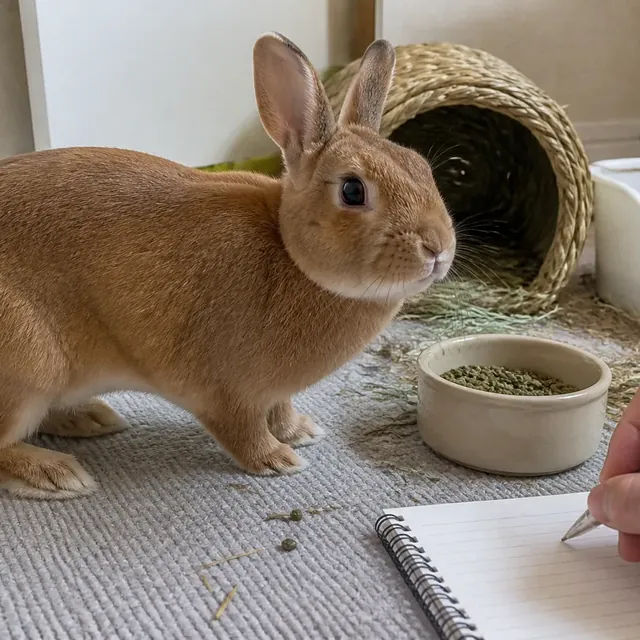
Early action
Rabbits hide illness remarkably well. Noticing a change in appetite, droppings, breathing, posture or energy and acting promptly can be lifesaving.
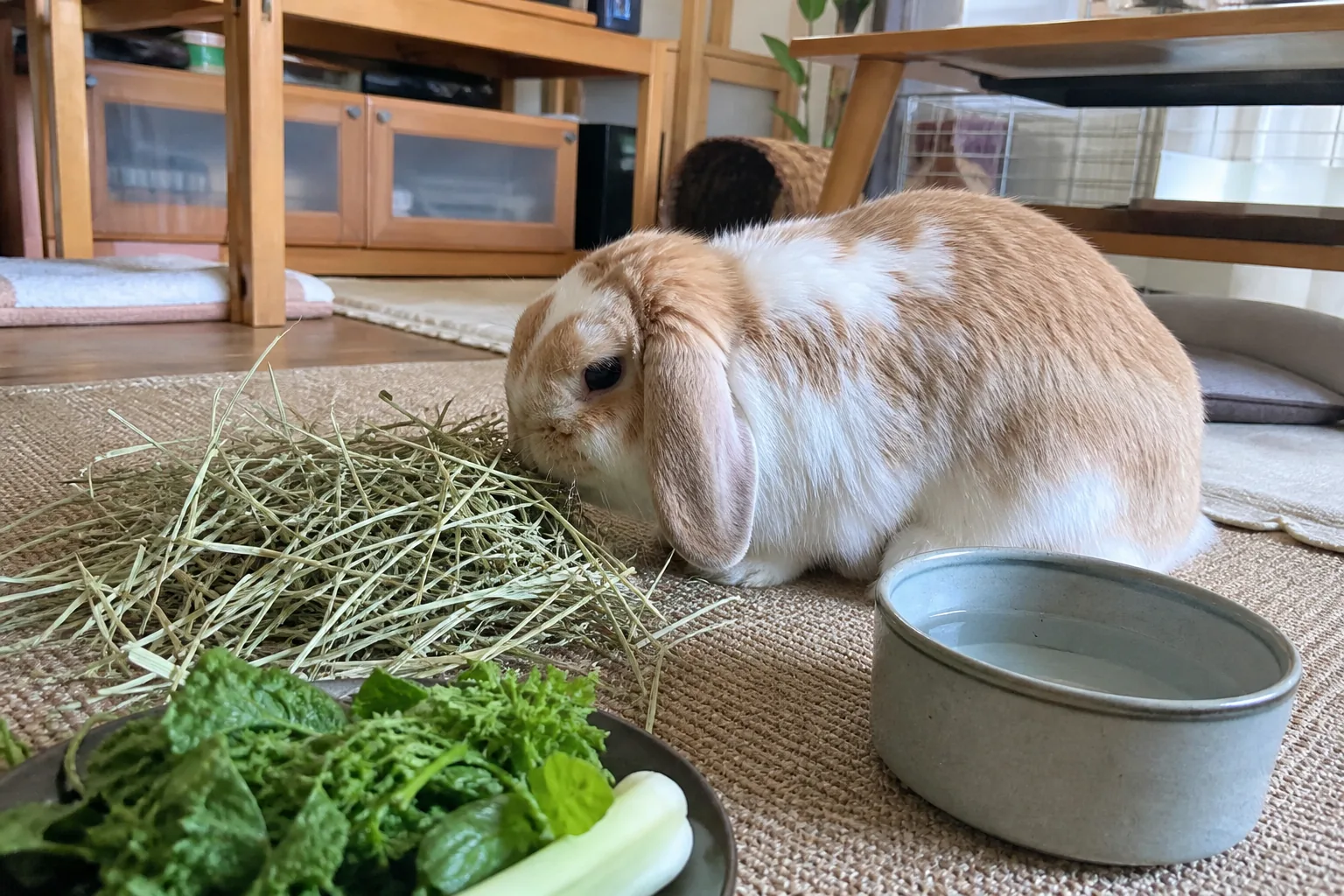
Hay is the foundation of a healthy rabbit diet
A healthy rabbit diet is built around constant access to good grass hay and clean water. Hay supports gut movement and tooth wear in a way that treats or a large bowl of pellets cannot replace.
Offer familiar leafy greens and a measured amount of plain, high-fiber pellets according to the needs of your individual bun. Introduce new foods gradually and monitor droppings and appetite.
Three quiet health factors that deserve attention
Longevity is often shaped by ordinary problems caught early, not by one magical product. Teeth, body condition and the home environment deserve a regular place in your bunny-care routine.
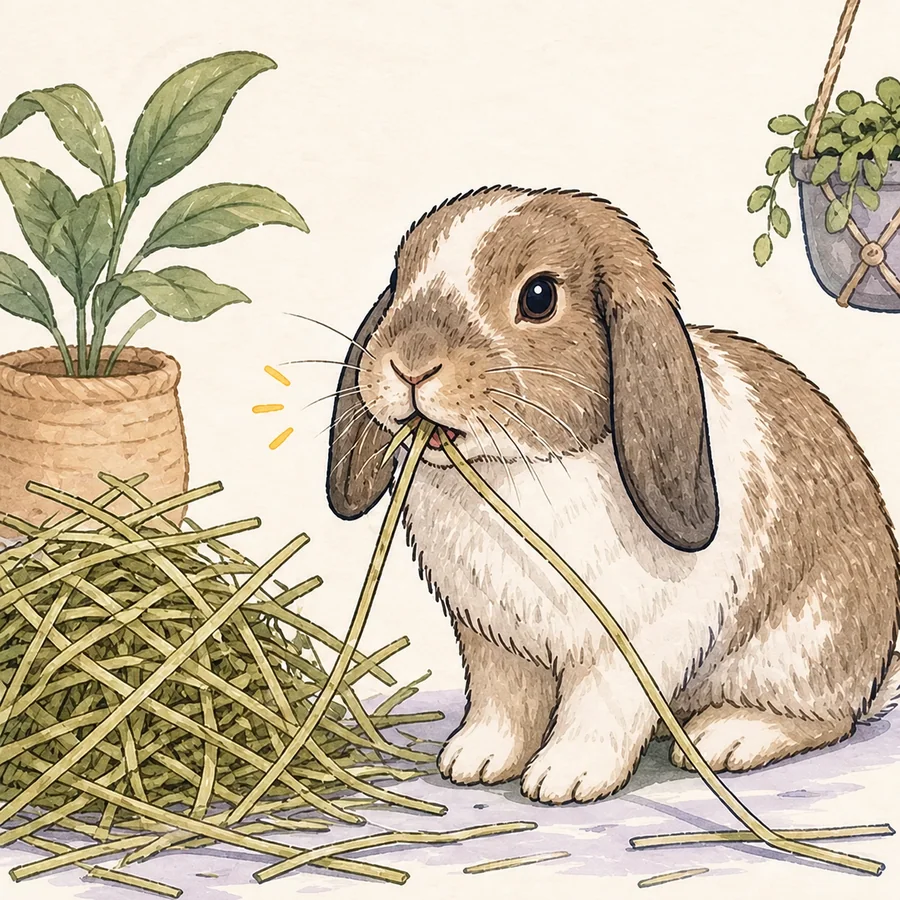
Teeth and chewing
Rabbit teeth grow continuously. Hay encourages natural chewing, but genetics and tooth alignment still matter. Dropping food, choosing only soft foods, a wet chin, runny eyes or unexplained weight loss can accompany dental trouble. Do not wait for a bun to stop eating before arranging an examination.
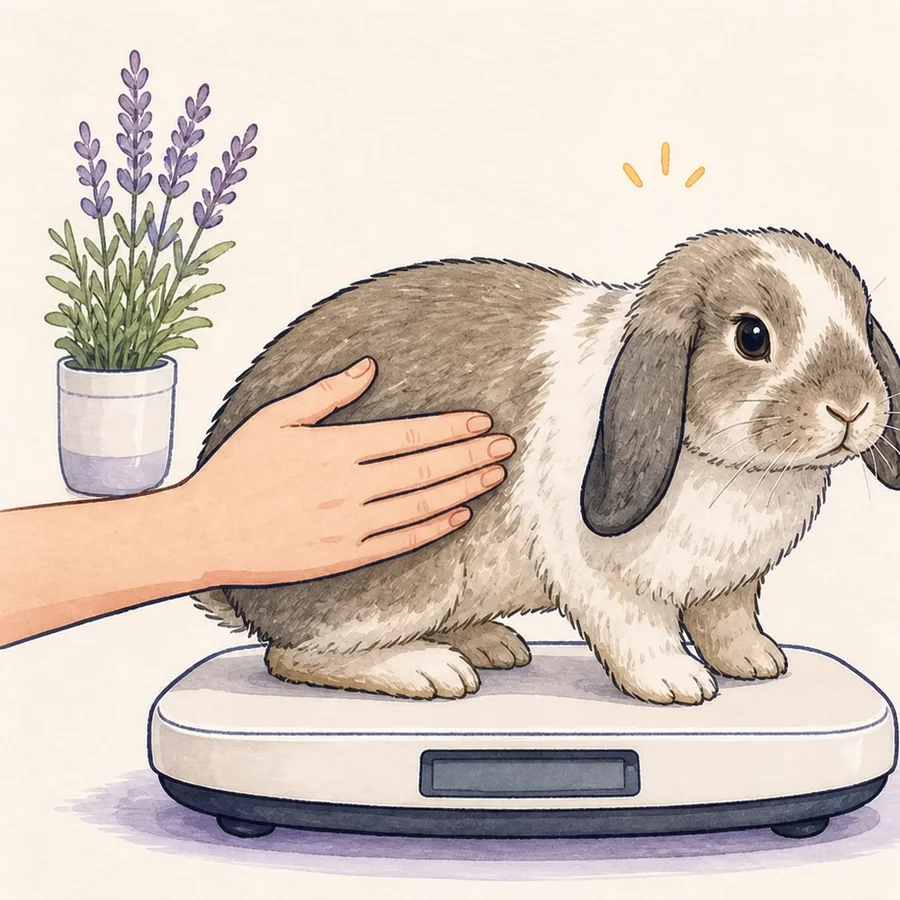
Body condition
A thick coat can hide gradual weight loss or gain. Feel your rabbit gently and learn what their healthy ribs, spine and hips normally feel like. Regular weigh-ins on the same reliable scale can reveal a trend before it is obvious by sight.
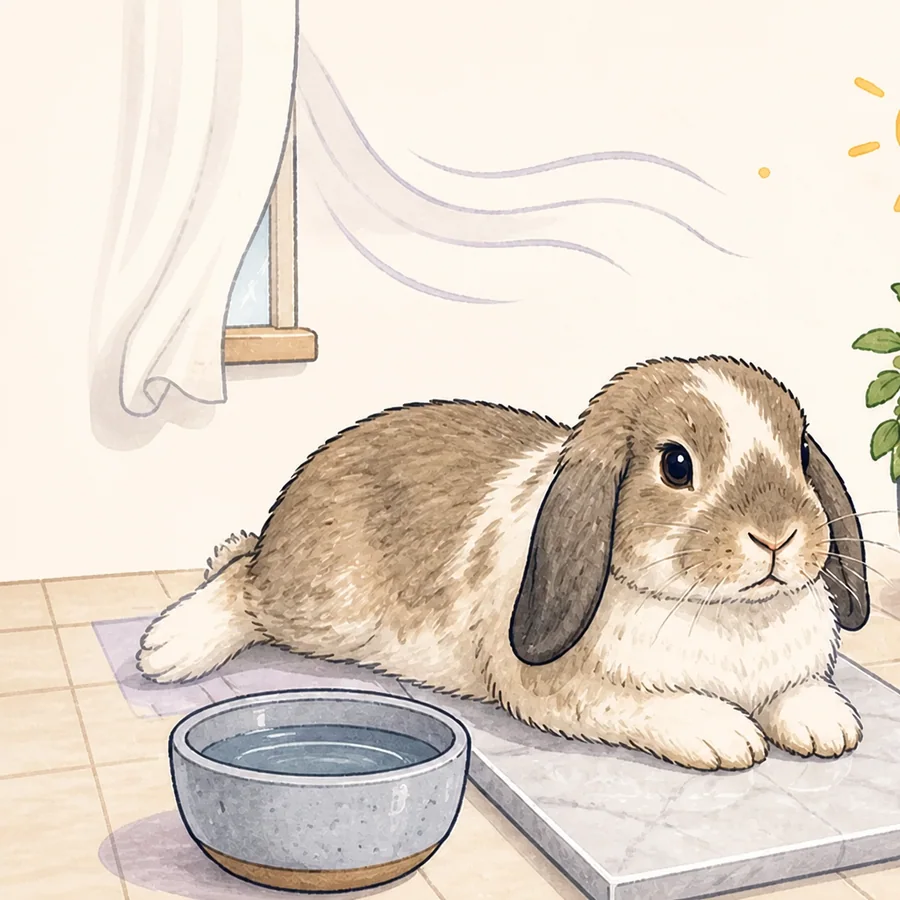
Heat and hygiene
Extreme heat is particularly dangerous because rabbits do not cool themselves like humans. Provide shade, airflow, fresh water and cool resting choices in warm weather. Keep litter areas dry and check the rear end, especially for seniors or rabbits that cannot groom easily.
Does breed or size determine how long a rabbit lives?
You may hear very precise claims for every breed, but the evidence is not strong enough to promise a particular number. Blue Cross notes that there is not enough evidence for firm breed-by-breed lifespan rules, although larger rabbits may have shorter lifespans and can show senior needs earlier.
Not automatically longer-lived
Size alone cannot predict an individual rabbit’s future. Dental shape, genetics and lifelong care still matter.
May age earlier
Watch mobility, weight and feet closely, and adapt access before a heavy bun starts struggling.
No guaranteed advantage
Mixed heritage does not remove the need for a good diet, preventive care or daily observation.
Preventive care can add healthier years
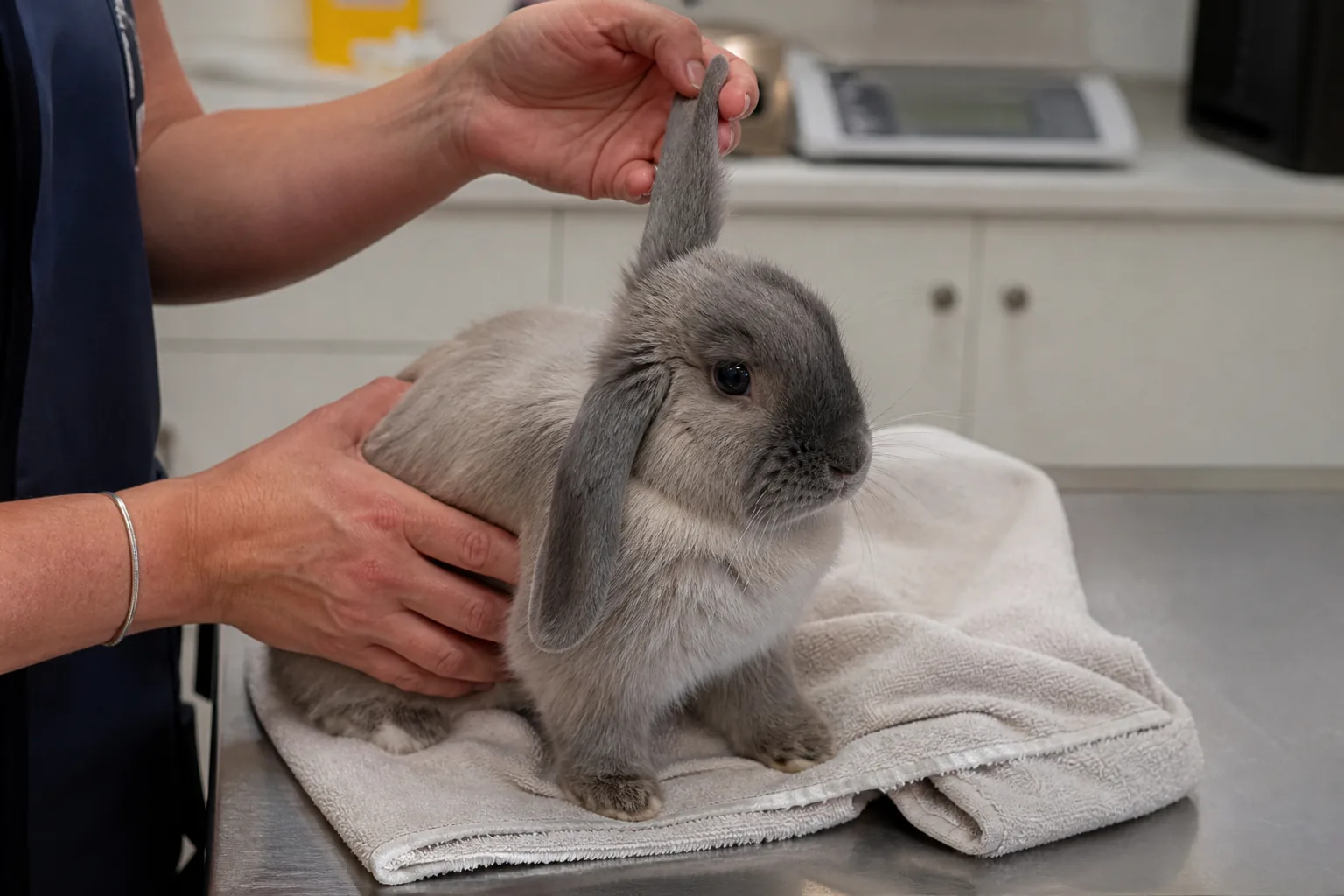
A rabbit should not visit a vet only when something is clearly wrong. Regular examinations create a useful baseline for teeth, weight, heart, lungs, skin, feet and movement. Ask a rabbit-savvy veterinarian how often your bun should be seen; senior rabbits or those with ongoing conditions may need more frequent checks.
Vaccination recommendations vary by location. Your veterinarian can explain protection against diseases relevant where you live. Spaying and neutering also deserve an individual discussion: besides preventing litters and supporting bonding, spaying protects female rabbits from uterine disease.
The Merck Veterinary Manual recommends routine examinations and explains the preventive value of vaccination and neutering.
Your tiny daily checks matter
You know your bunny’s normal better than anyone. A two-minute look each day often reveals more than a complicated chart completed once a month.
Appetite: Is your rabbit eating hay with their usual enthusiasm and coming for familiar food?
Droppings: Are they being produced regularly, with the usual size and shape for this bun?
Movement: Can your rabbit hop, turn, rise, groom and enter the litter box comfortably?
Face and breathing: Are the eyes bright, the nose clean and breathing quiet and effortless?
Habits: Is your bun resting, socializing and exploring in their familiar way?
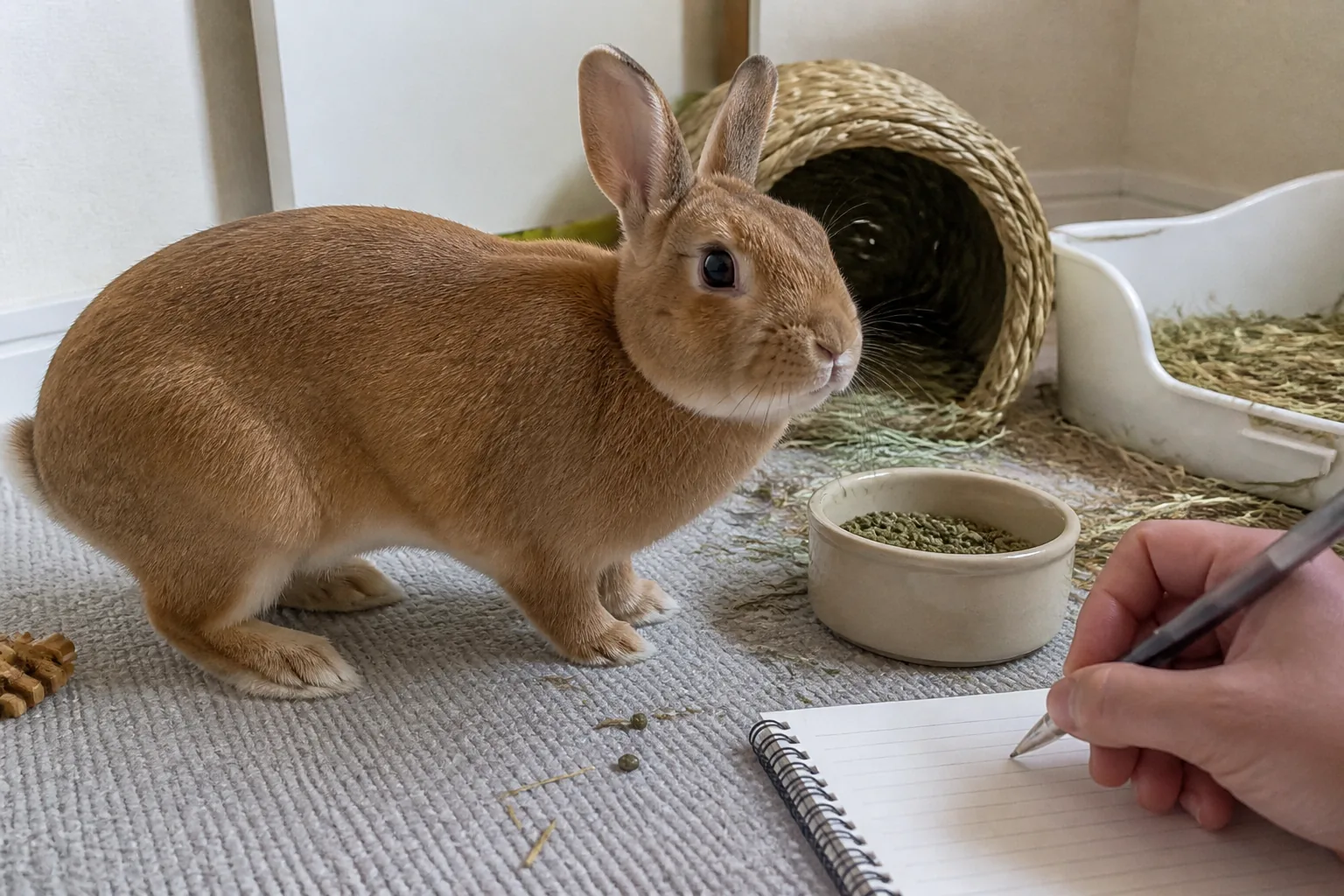
Look for change, not perfection
Every bun has quirks. One rabbit flops dramatically; another prefers a tidy loaf. What matters is a change from that rabbit’s normal, especially when several changes appear together.
Helping a senior rabbit stay comfortable
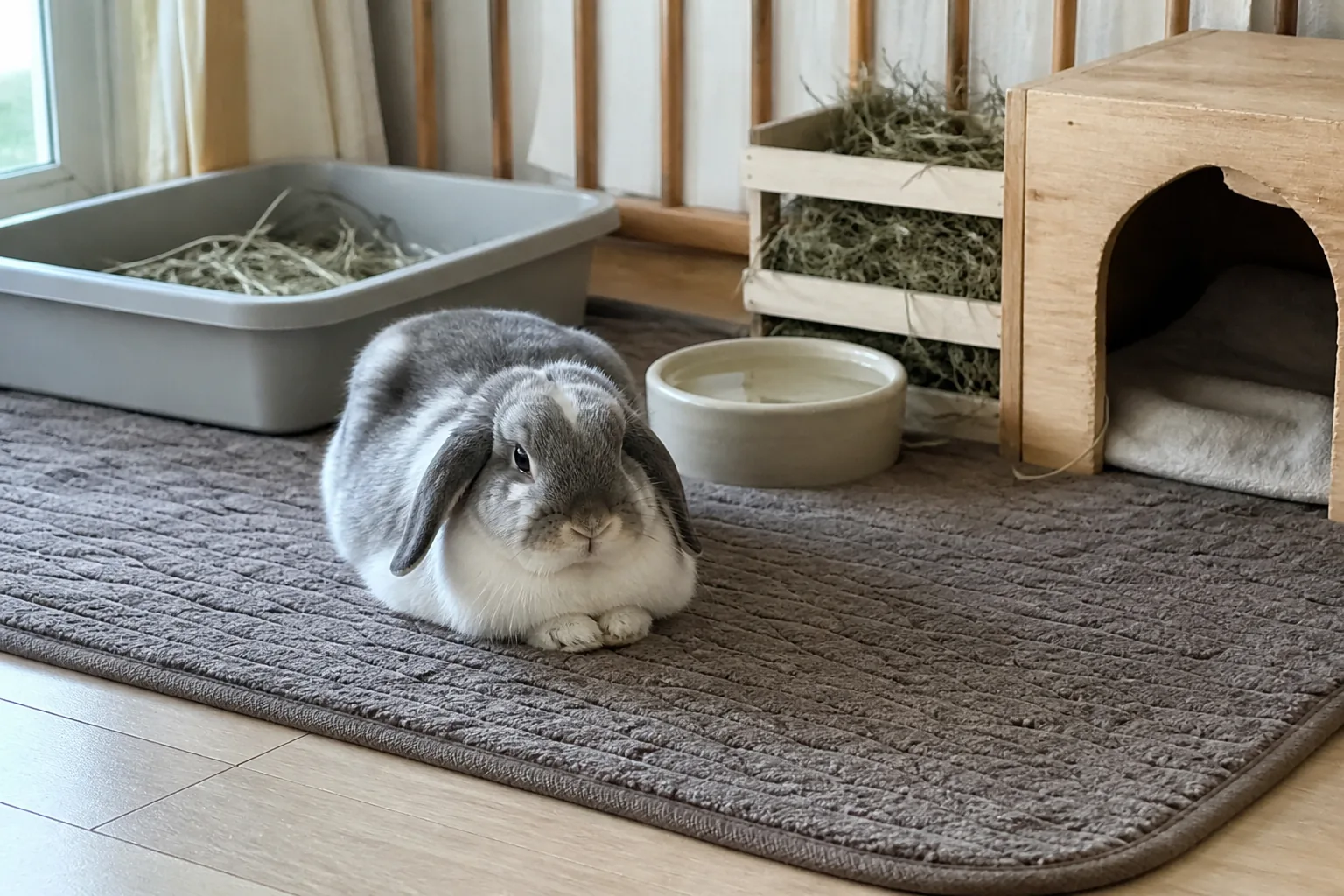
Older rabbits do not need their whole world redesigned overnight. They need familiar things made easier. Place hay, water, litter and favorite resting places within a short, non-slip route. Use a large litter box with a low entrance, while keeping enough side height to contain mess.
Add broad padded surfaces that stay flat, and check that transitions do not slide or create an awkward step. Keep nails comfortable, inspect the underside of the feet and watch for urine staining if grooming becomes difficult.
Weight loss, reduced movement, changed posture or trouble eating should not be dismissed as “just old age.” Senior buns deserve veterinary assessment and suitable pain management when needed.
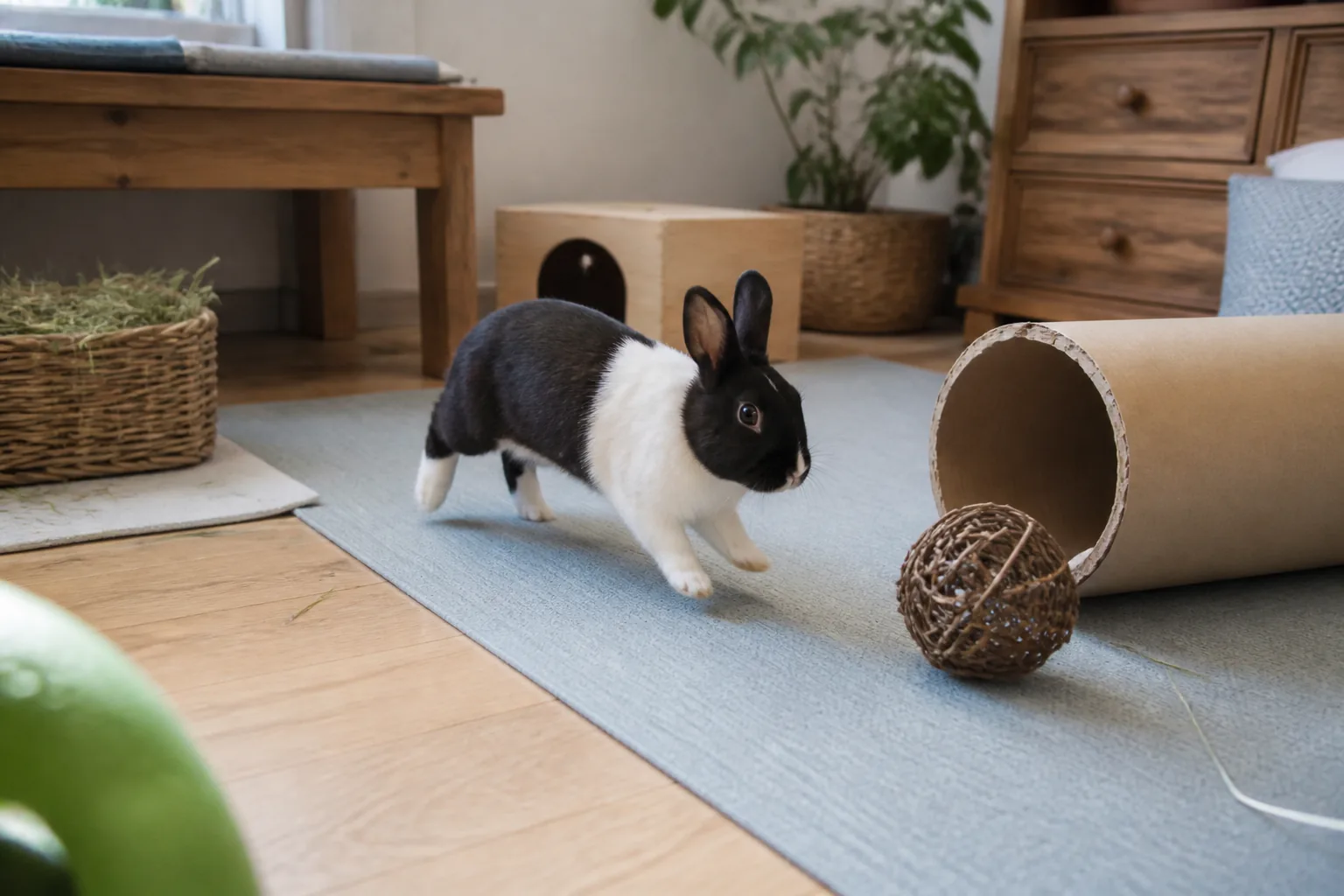
Warning signs that should not wait
Contact a rabbit-savvy veterinarian promptly if your rabbit:
stops eating or produces fewer or no droppings, struggles to breathe, becomes weak or unusually unresponsive, develops a swollen abdomen, cannot move normally, shows obvious pain, or has a sudden major change in behavior.
Do not wait for a rabbit to “look very sick.” Because rabbits often conceal illness, a quiet change can be important.
A realistic longevity routine
Every day
Refresh hay and water, observe appetite and droppings, provide movement and check the living space.
Every week
Feel the body gently, check feet and fur, deep-clean key areas and notice any gradual weight or mobility change.
With your vet
Plan routine exams, local vaccination, dental and reproductive care, plus a more frequent schedule when age or health requires it.
The goal is not simply the highest possible number. It is more good days: a comfortable floor, a fresh pile of hay, a trusted companion, room for a binky and quick help when something changes.
Frequently asked questions about rabbit lifespan
What is the average lifespan of a pet rabbit?
Most commonly quoted guidance is around 8 to 12 years, although an individual rabbit may live for a shorter or longer time.
Can a pet rabbit live for 15 years?
It is possible but uncommon. Exceptional ages should not be treated as a normal expectation or a measure of whether an owner provided loving care.
Do indoor rabbits live longer?
A well-managed indoor home can reduce exposure to predators, extreme weather and some parasites. What matters most is a safe, spacious, clean and stimulating environment; an indoor rabbit still needs exercise, companionship and appropriate care.
At what age is a rabbit considered senior?
Many rabbits enter their senior stage somewhere between 5 and 8 years, depending on size, health and the individual. Larger rabbits may need senior adjustments earlier.
Do smaller rabbits always live longer?
No. Size may influence ageing trends, but it cannot predict one rabbit’s lifespan. Genetics, dental health, diet, environment and access to veterinary care remain important.
Does neutering help rabbits live longer?
It can reduce important reproductive health risks, especially uterine disease in females, and may make safe companionship easier. Discuss timing and individual risks with a rabbit-savvy veterinarian.